Local detail
When to Get Help
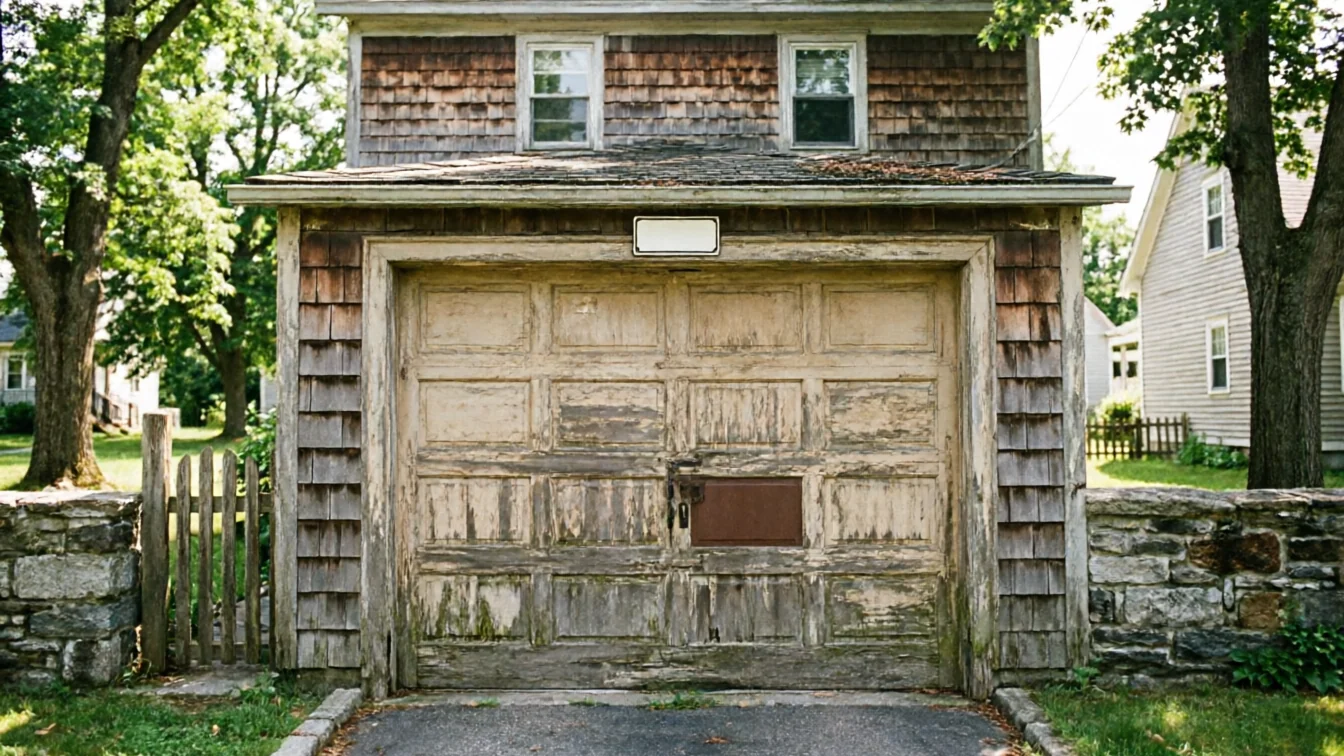
If your door is original to a house built in the 1960s or 70s - which covers most of the 58 named areas around York, from Grantley to Spring Grove - you're not looking at a quick patch job anymore. Steel doors from that era were built to a narrower set of sizes and lighter spring ratings than what's sold today. When the bottom panel is rusted through, when the track is bent past hand-straightening, or when a torsion spring has gone and the replacement spring for that cable drum is a special order, it's time to call instead of chasing parts. A single cracked panel on a door from 1972 isn't worth hunting down - that door's track, hinges, and opener bracket are all sized to hardware nobody stocks for new installs. Call when you're facing more than one failed part at once, or when the door is original to a house older than the mid-90s remodel wave that touched some of these neighborhoods.
The area
What Is Going On
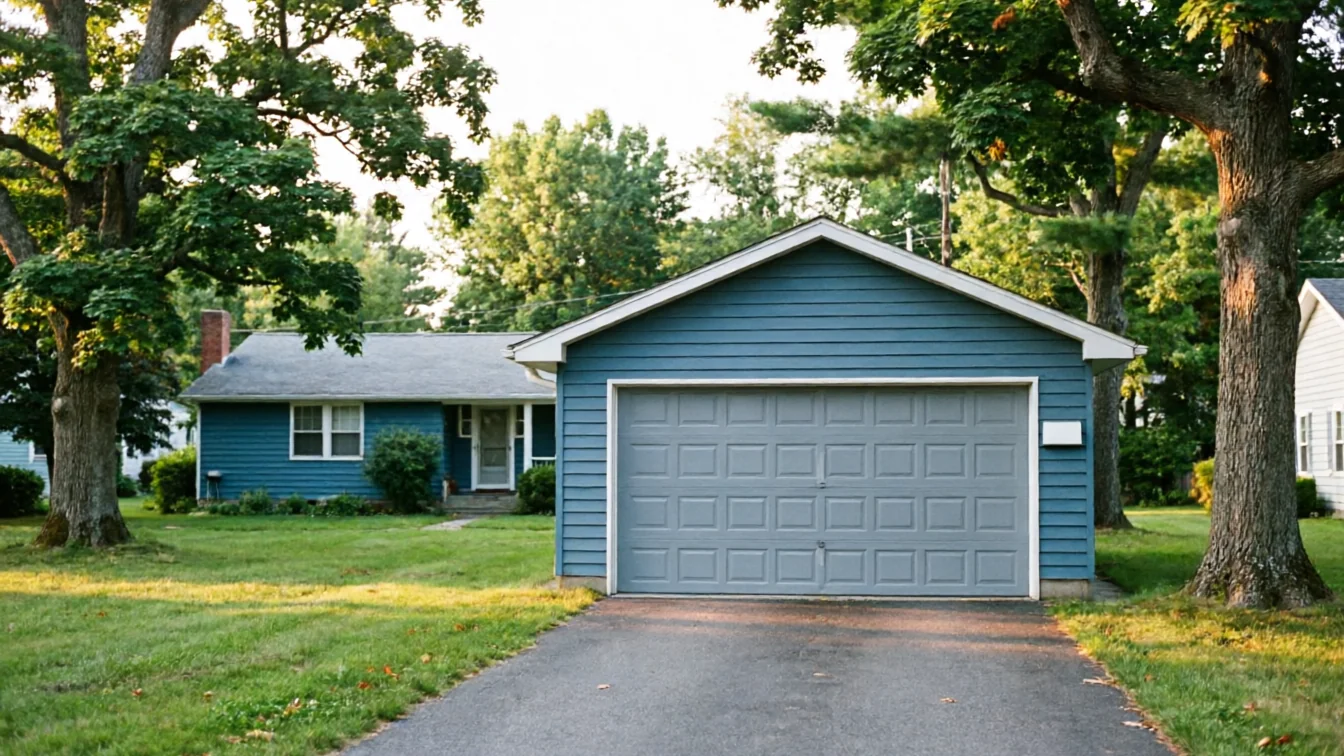
The housing stock in this service area runs from 1938 up through 1995, with the median build year sitting at 1972. That means the typical garage door opening here was framed to a spec that predates the wider, taller openings standard in new construction. A lot of the original doors were single-layer steel without a thermal break, hung on tracks set for houses with shallower garage depth. Over 56,194 owner-occupied houses sit in this service area, and a large share of them are carrying a door at or past the end of its service life - not from abuse, just age. When you go to replace one, the opening itself often isn't a standard modern size, so a straight swap-in from a big-box kit sometimes means reworking the jamb or track mount rather than a bolt-in fit.
What we find
Doing Nothing For Now
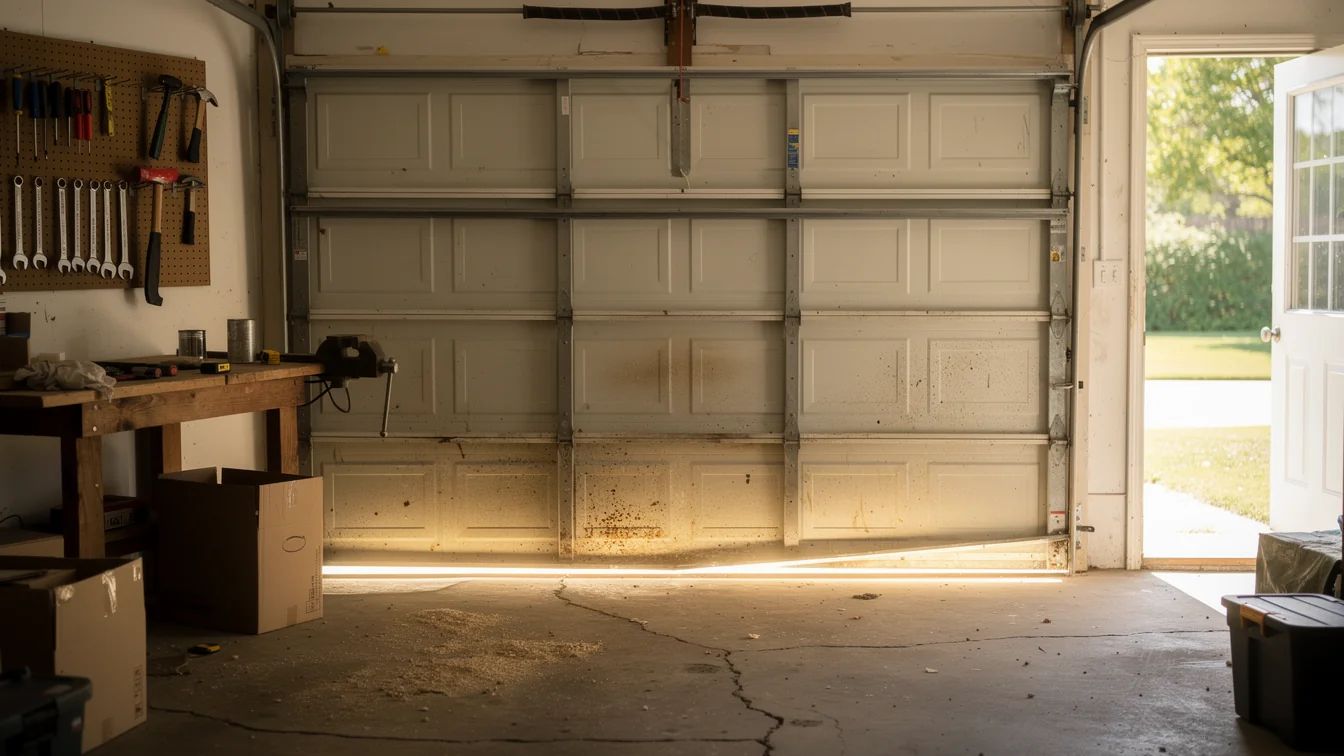
There's an honest case for waiting, and it's not always the wrong call. If the door still seals, the spring holds tension evenly, and the opener cycles without straining, a door from the 1970s can run another few winters with nothing more than lubrication and a cable check. Replacement is a real cost, and not every creak means failure is close. Where waiting stops making sense is once the panel seams start separating or the bottom seal is gone - in this climate band, a gap at the bottom of the door is how cold air and moisture get into the garage all winter, and that moisture is what finishes off an aging spring and track faster than normal wear would. We won't push a full replacement on a door that's still sound just because it's old; we'll tell you straight if a repair buys you real years.
How we work
What Local Conditions Do
This area sits in a cold-severe climate band, and that changes what a replacement door needs to do beyond opening and closing. A door without insulation, on a house built before double-pane windows were standard, loses heat through the garage fast - and if that garage shares a wall with living space, which a lot of the 1960s-70s construction around here does, that's a direct hit to a heating bill. The hardware matters too: steel contracts in sustained cold, and tracks mounted during an era of looser tolerances can bind or pop a roller on the first hard freeze if they weren't adjusted going into winter. A new door spec'd for this climate band - insulated panel, weatherstripped bottom seal, hardware rated for the temperature swing - holds up through a York winter in a way a 50-year-old single-layer steel door was never built to.
Talk to a local pro
Garage door trouble in York?
Same-day service with honest, upfront quotes.