Two things line up in York that push doors toward replacement faster than in a newer build: the age of the housing stock and the weather. Most homes across the area went up between 1938 and 1995, with a lot of it concentrated in the 1960s and 70s building boom that shaped the 58 named areas in this part of the county. Doors from that era, if they're still original, were built before insulated steel was standard and before anyone sized openings with today's double-car dimensions in mind.
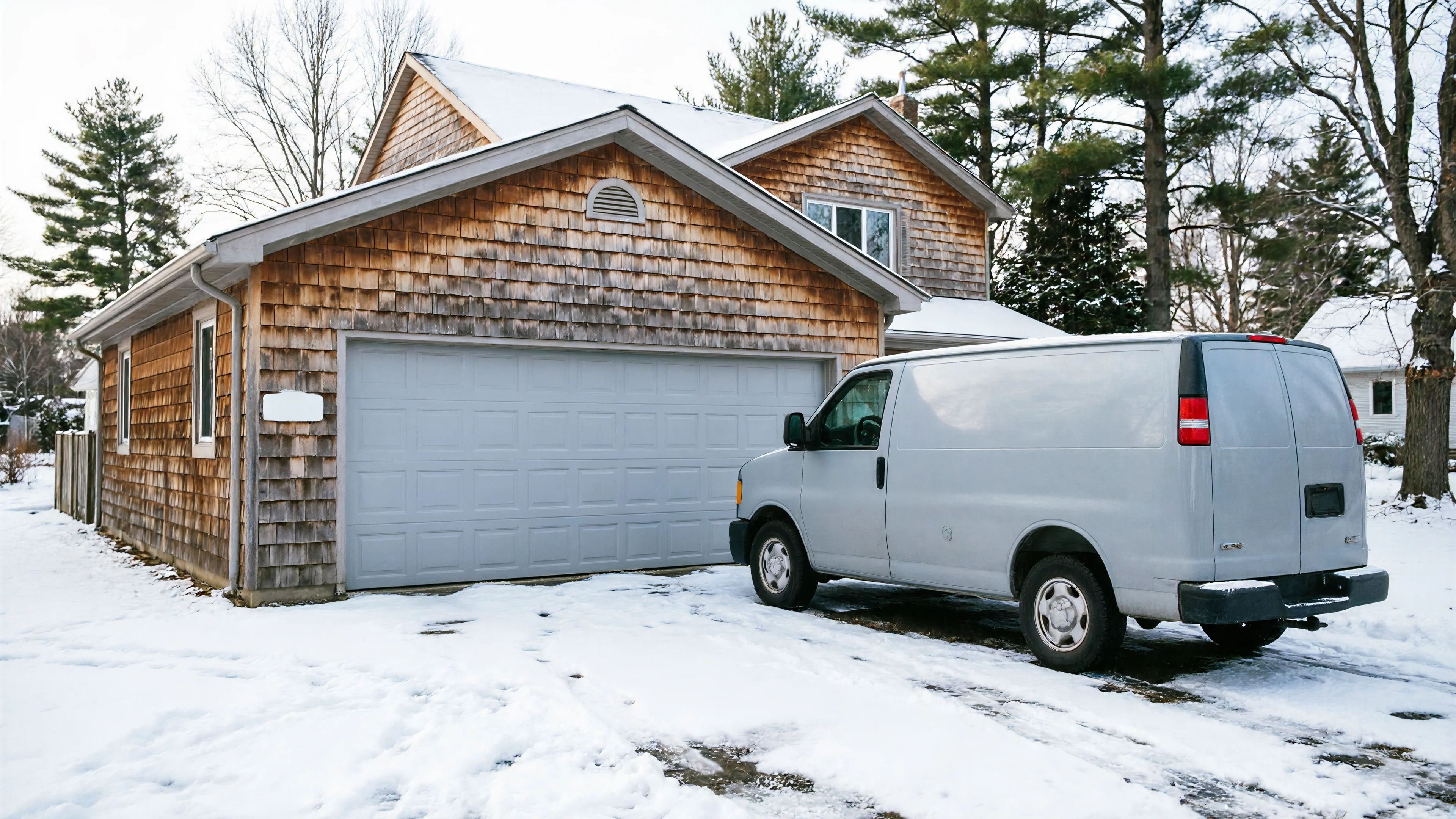
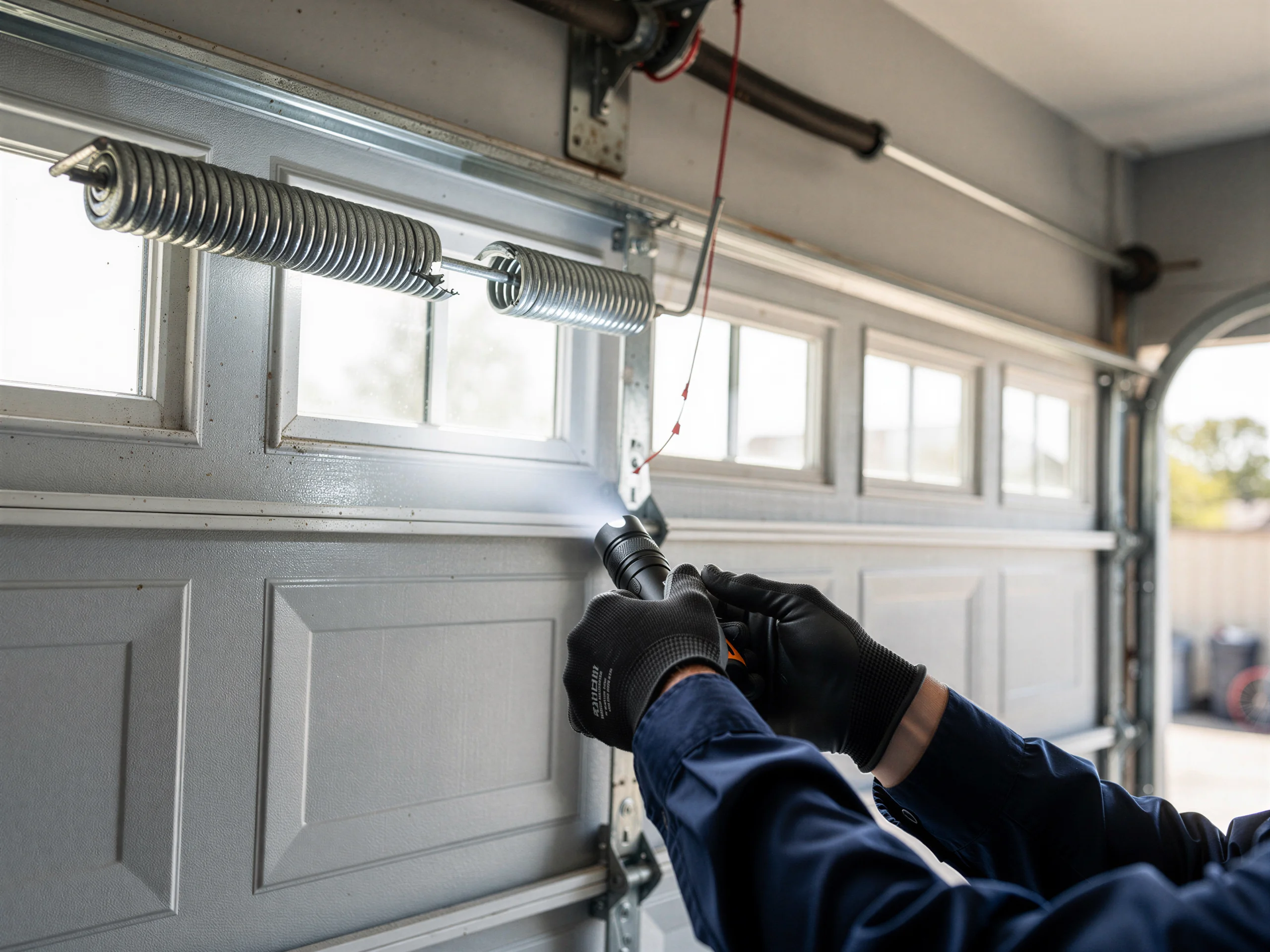
Then there's the climate. York sits in a cold, severe winter band, and an uninsulated steel door takes that directly - freeze-thaw cycling works at the seams and the bottom weatherstrip, torsion springs lose temper faster in repeated cold snaps, and panels that already have surface rust pit faster once ice gets into the seams. None of that is unique to one street or neighborhood; it's a function of how old the stock is and how cold it gets, both of which apply broadly across the service area.
The honest version: a door that's fine in a mild climate can fail years earlier here simply from sitting through that many winters. That's the case for replacement with something built to current insulation standards, not just swapping in another uninsulated door that'll hit the same wall.