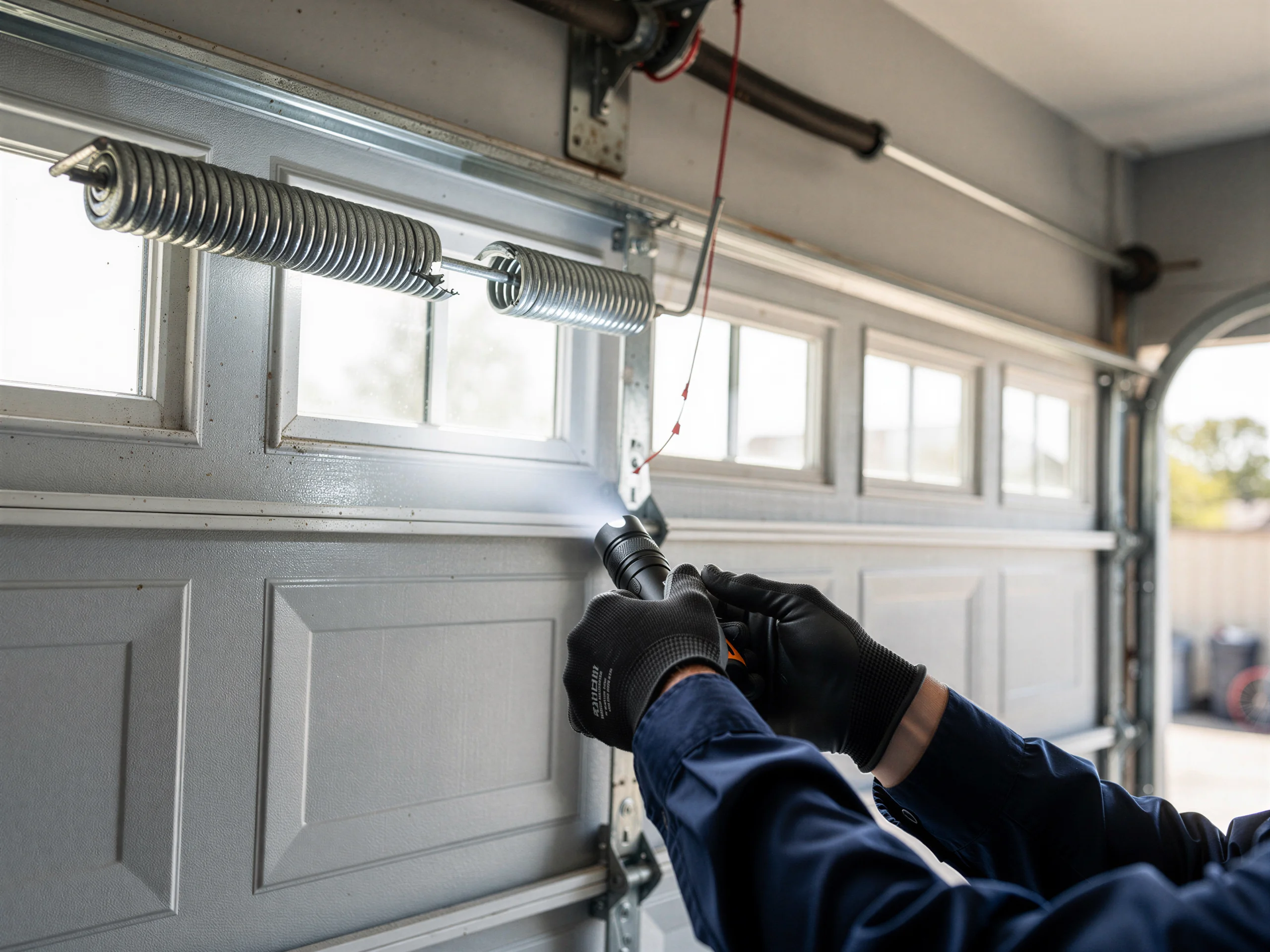
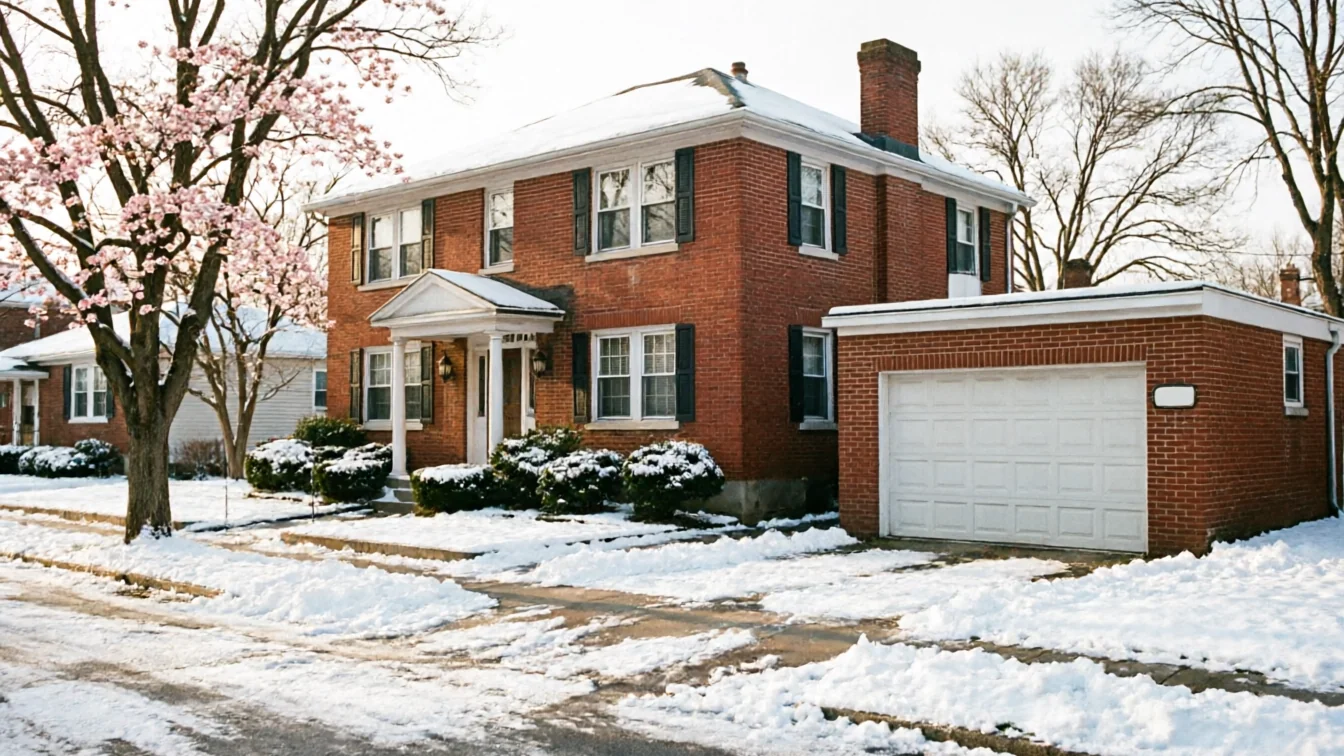
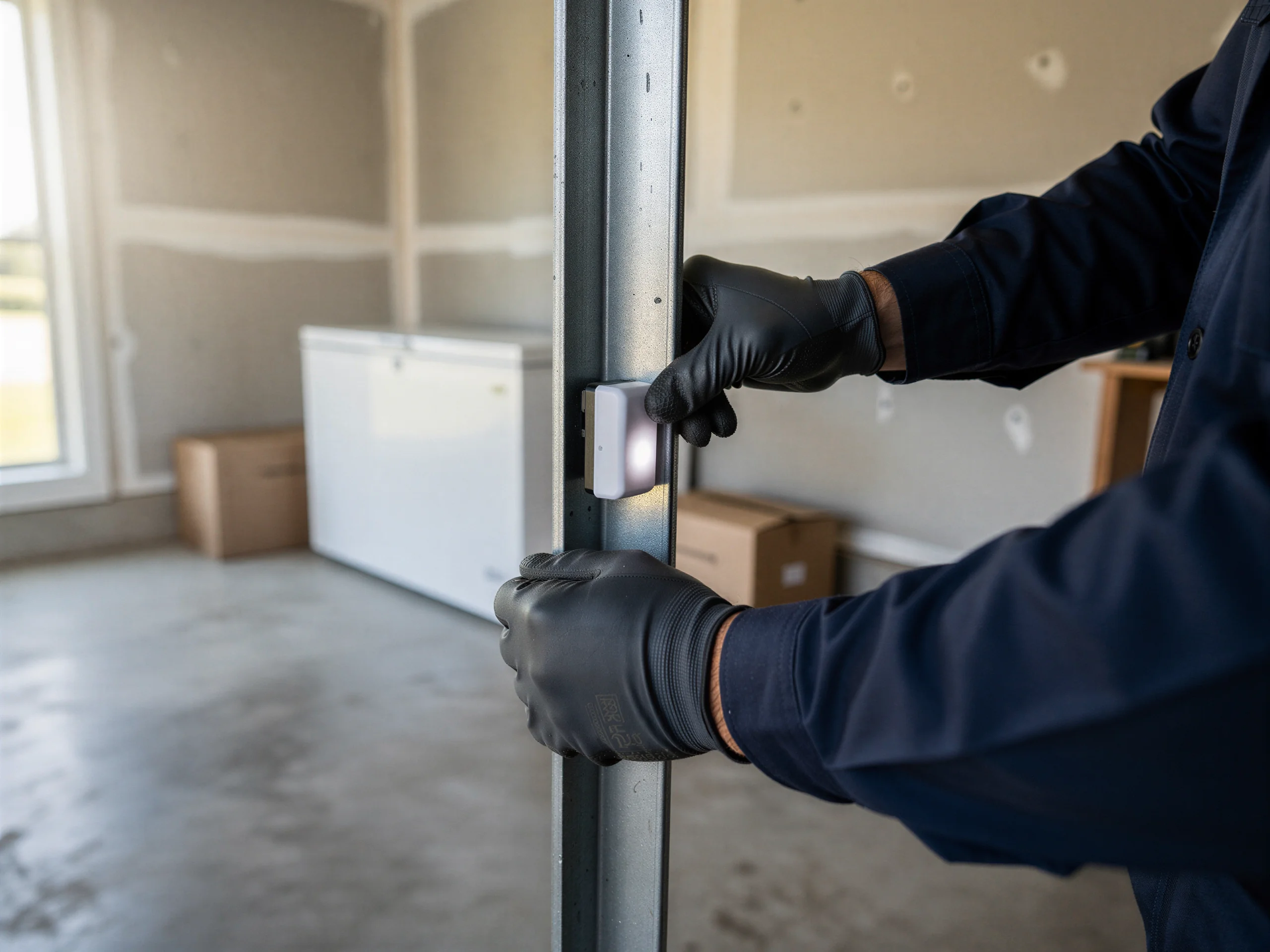
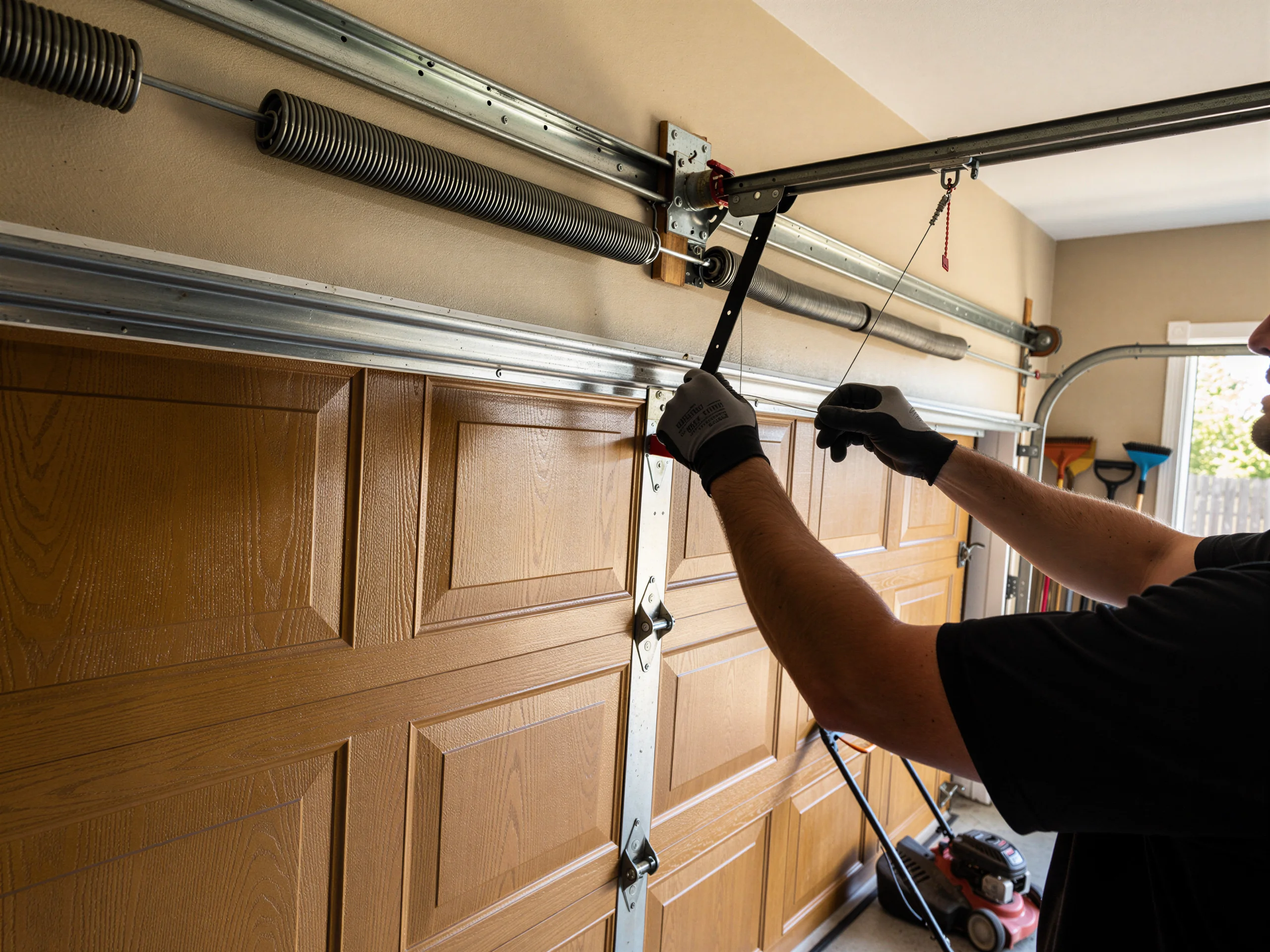
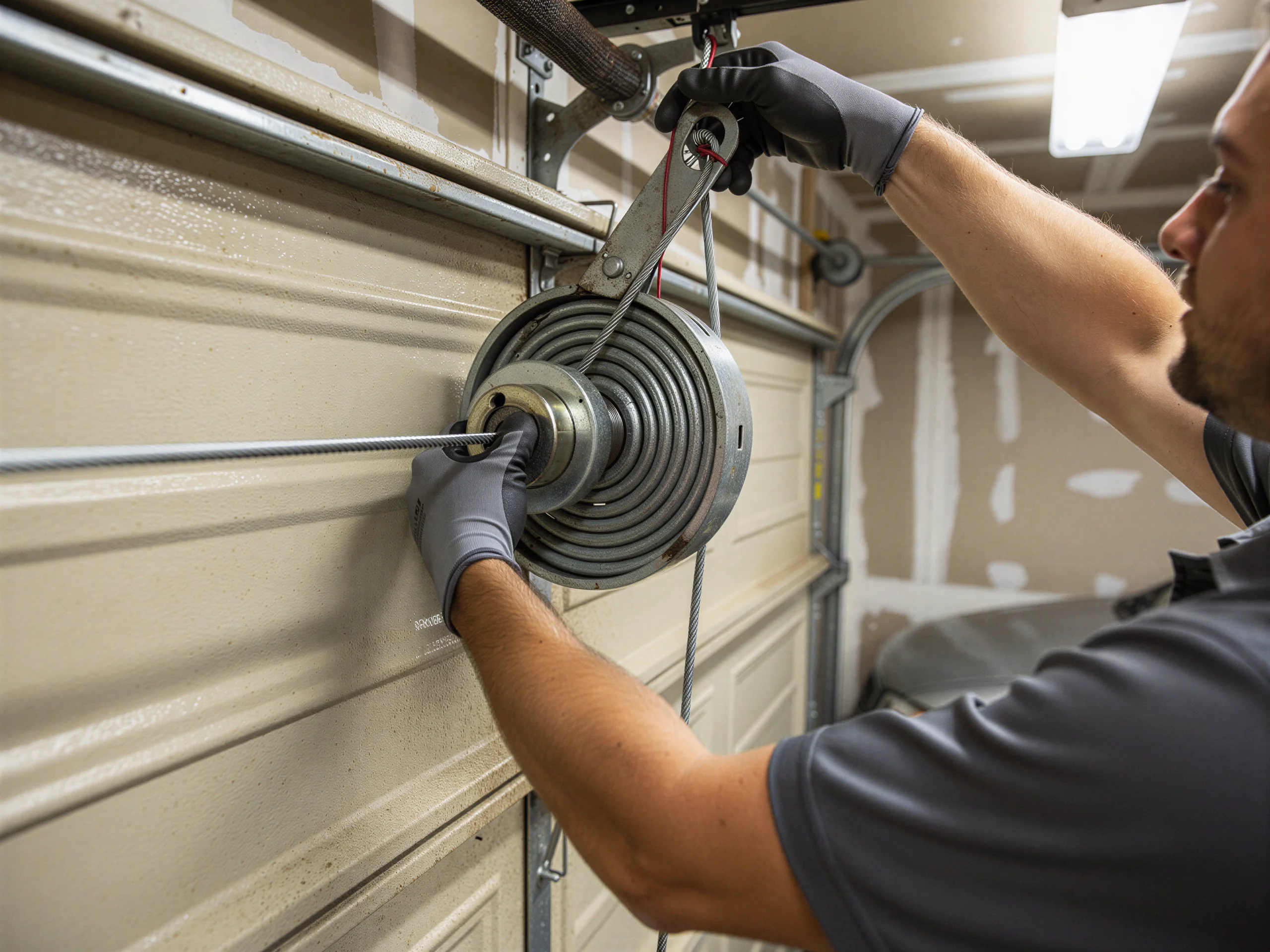
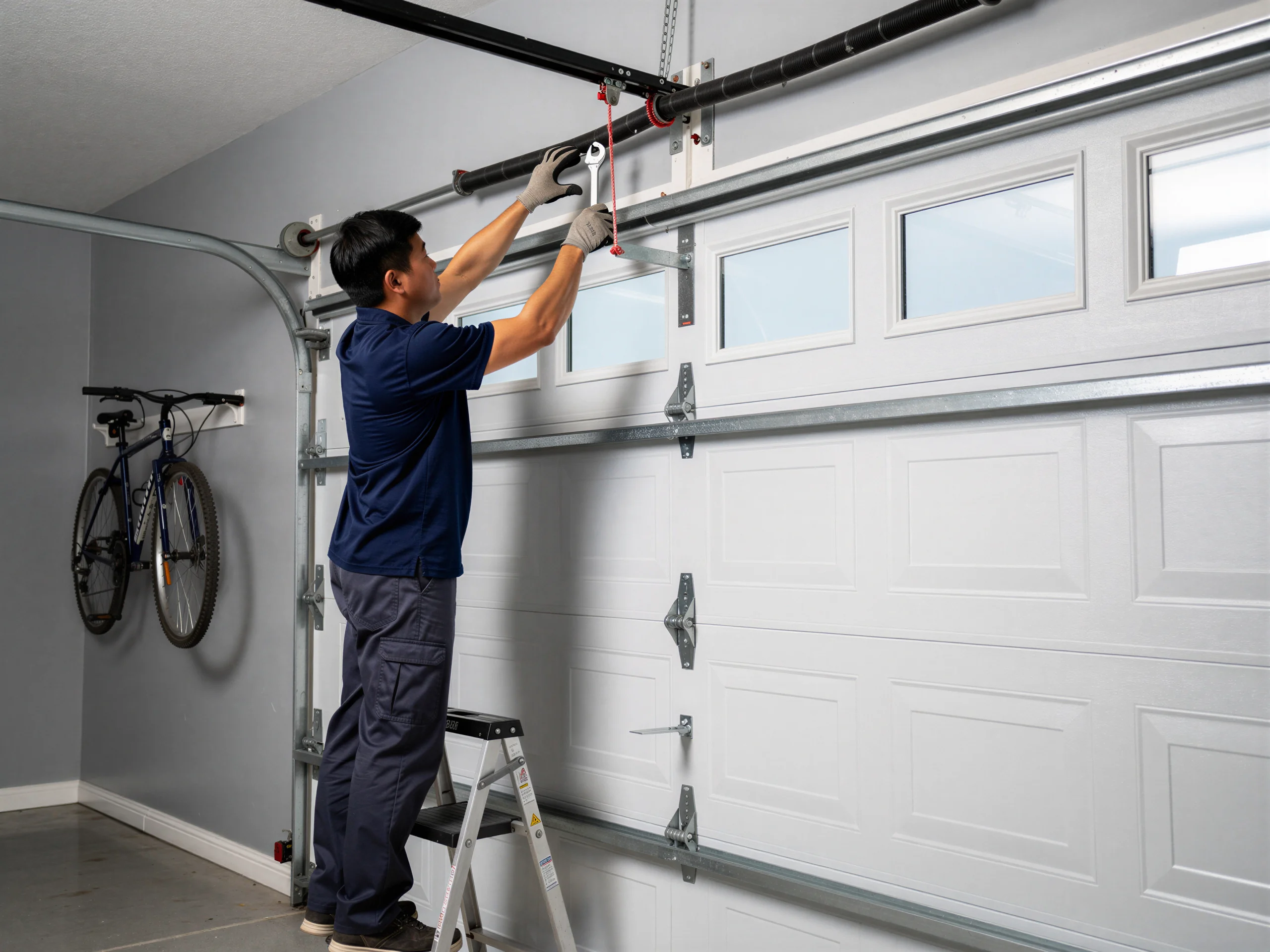
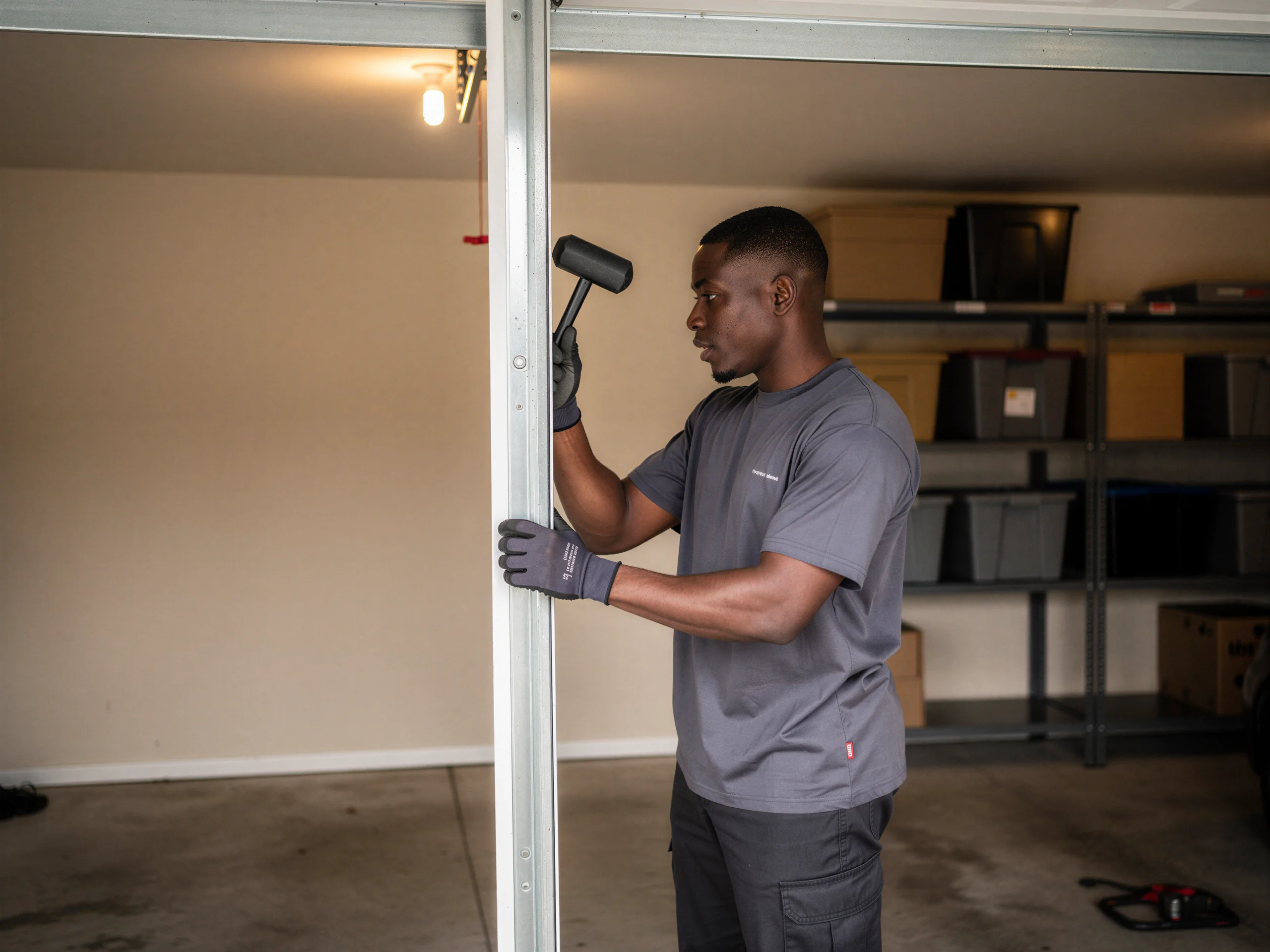
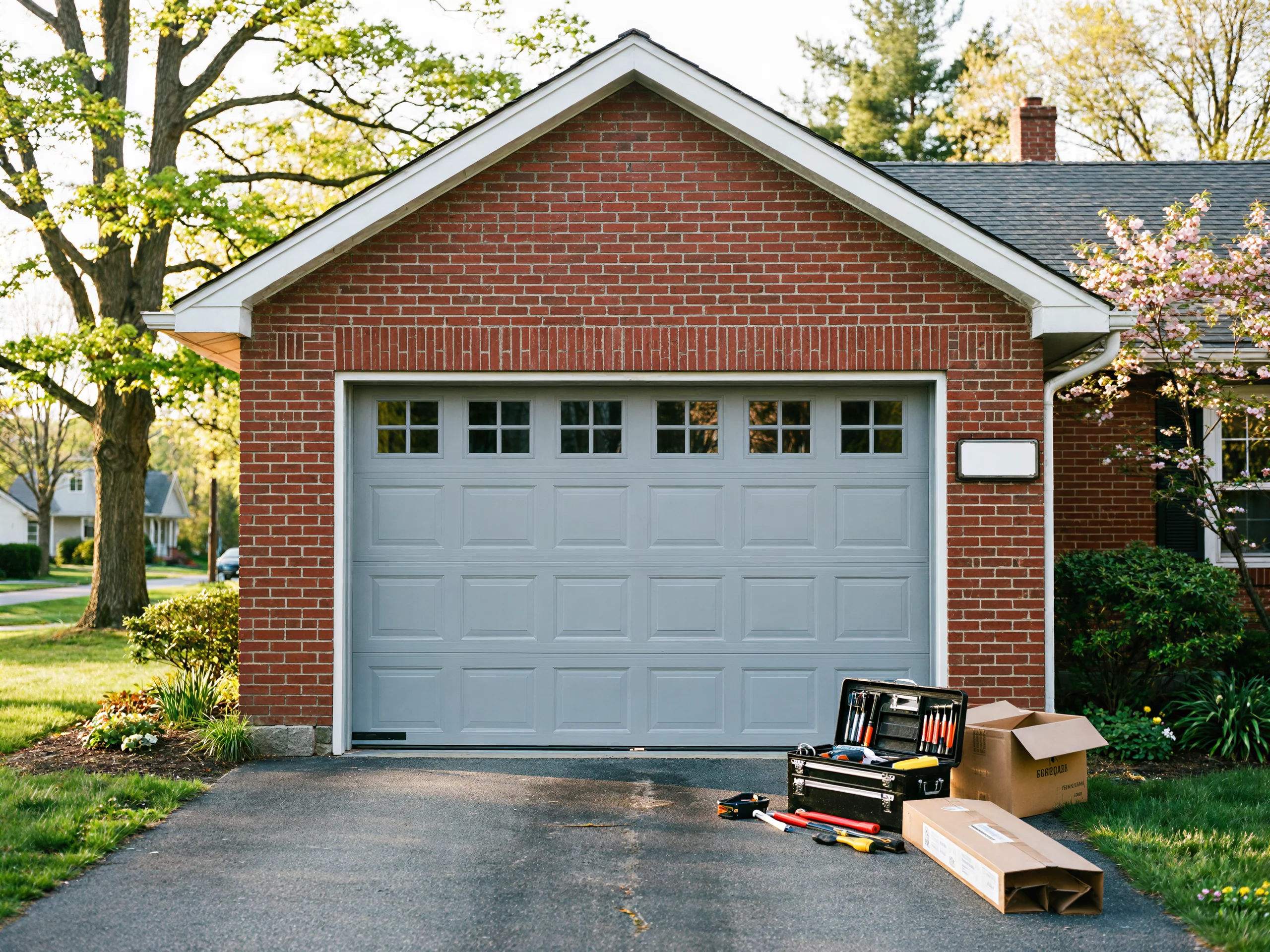
The service area runs from houses as old as 1938 up through builds into the 1990s, with the bulk of the stock dating to the 1960s and 70s. That matters for two reasons. First, torsion springs have a rated cycle life, and a spring installed when a 1968 house was built, or even one replaced once since, is well past due by now - most fail without warning, usually on a cold morning when the steel is least forgiving. Second, a lot of this housing stock was built with single-car and narrow double bays sized to specs that don't match the opener horsepower homeowners install today, so the hardware runs under more strain than it was designed for. Add a climate band rated cold and severe - real winter cold, not just a few frosty mornings - and you get steel contracting, lubricant thickening, and nylon rollers going brittle all at once, which is exactly when springs snap and cables jump drums. With roughly 56,194 owner-occupied houses across a service area of nearly 125,000 households, most carrying similar-vintage doors, this isn't a rare failure. It's a predictable one.