Local detail
When to Get Help
Call when the opener motor hums but the door won't move, when the wall button does nothing and the remote does nothing either, or when the door drops fast on its own after a blackout instead of staying put. Those are different problems with different fixes, and none of them get better by waiting. If your house falls in the 1938-1995 build range common across this area, the opener wiring and the circuit it's on may predate GFCI requirements, which matters after a power cut because a tripped breaker can look identical to a dead opener from the garage side. Check the breaker panel first. If power is live everywhere else in the house but the garage circuit is dark, that's an electrical call, not a door call. If the circuit is fine and the opener still won't respond, that's us. Don't keep hitting the remote button hoping it resets itself - repeated tries on a motor that's already struggling can burn out a capacitor that was otherwise fine.
The area
What Is Going On
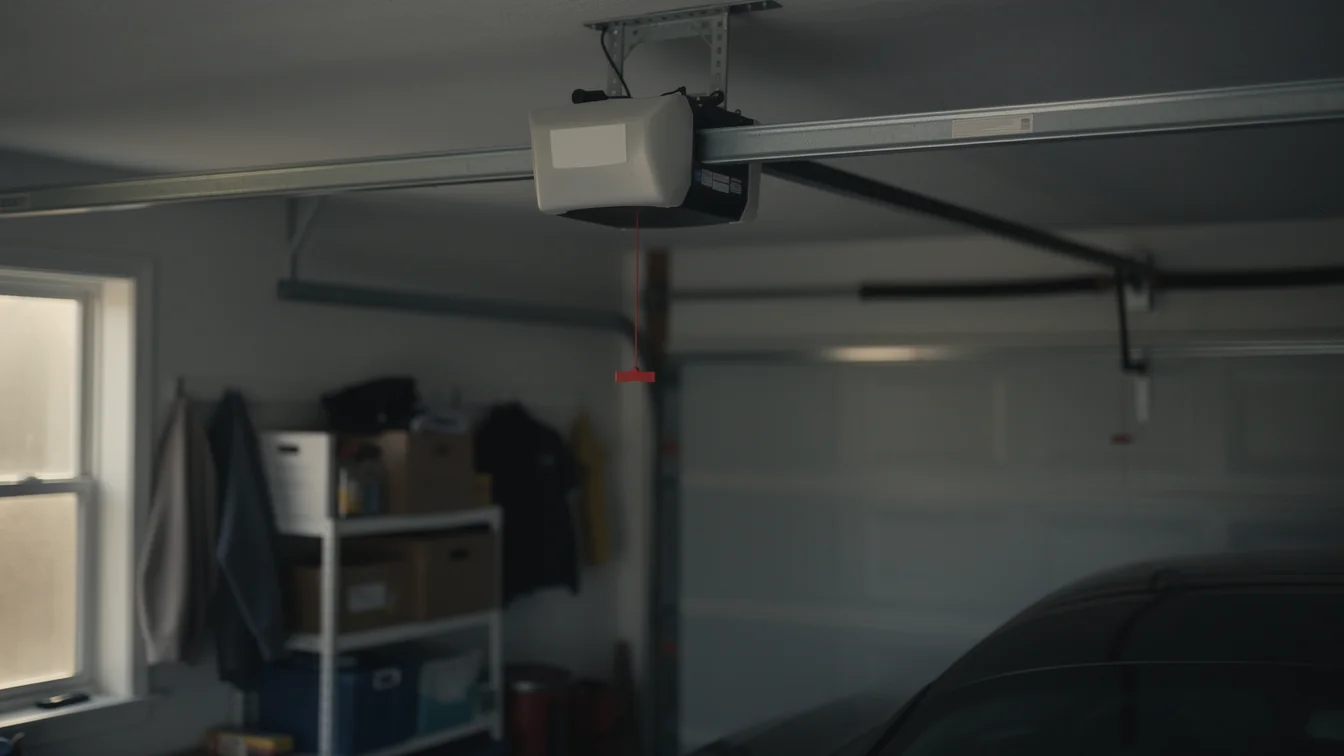
Most garage openers in this area went in sometime after the house was built, and with median construction here dating to 1972, a lot of units are old enough that their internal logic boards don't like sudden power loss followed by a hard restart. The motor doesn't fail outright - it just stops recognizing the remote, or it runs the travel limits wrong, stopping short or slamming down. Across the 58 named areas in this corridor, the housing stock skews 1960s-70s, and openers from that era or their direct replacements were built with simpler fail-safes than what ships today. A power cut interrupts the opener mid-cycle sometimes, and the board doesn't know where the door actually is when power comes back. That's why it may try to close a door that's already closed, or stop a few inches up. It isn't the spring, usually, and it isn't the track. It's the opener losing its place.
What we find
Doing Nothing For Now
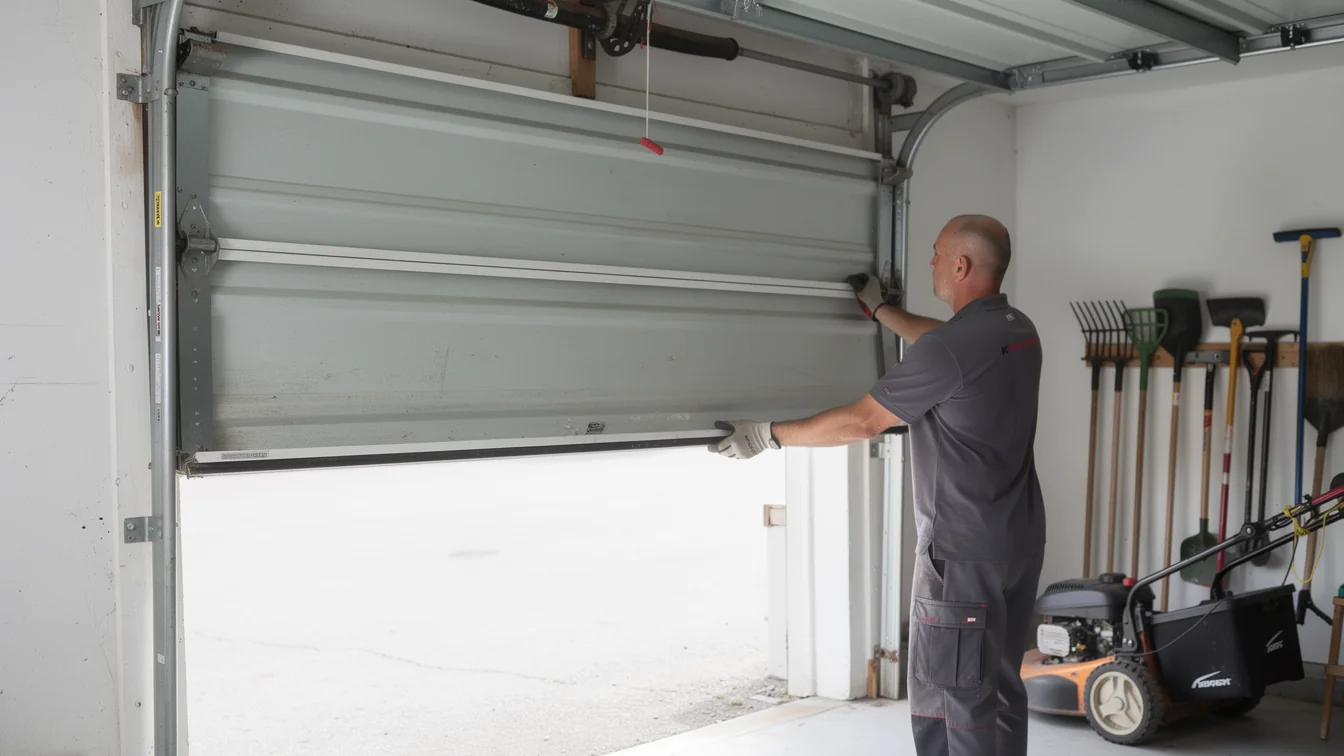
If the door is sitting closed and the power's back on, you can wait and watch before calling - pull the manual release cord, open the door by hand once, and see if it closes square. If it does, the hardware's fine and it's just the opener's memory that's off. Reprogramming the limits usually fixes it without a truck visit. But if the door won't move by hand either, or moves crooked, stop. That's a spring or cable problem wearing an opener disguise, and running the motor against it risks snapping something that was holding. We don't recommend forcing a stuck door with the opener engaged - that's the single fastest way to turn a one-part fix into a full track replacement. If you're not sure which situation you're in, that's worth a call before you touch the breaker again.
How we work
What Local Conditions Do
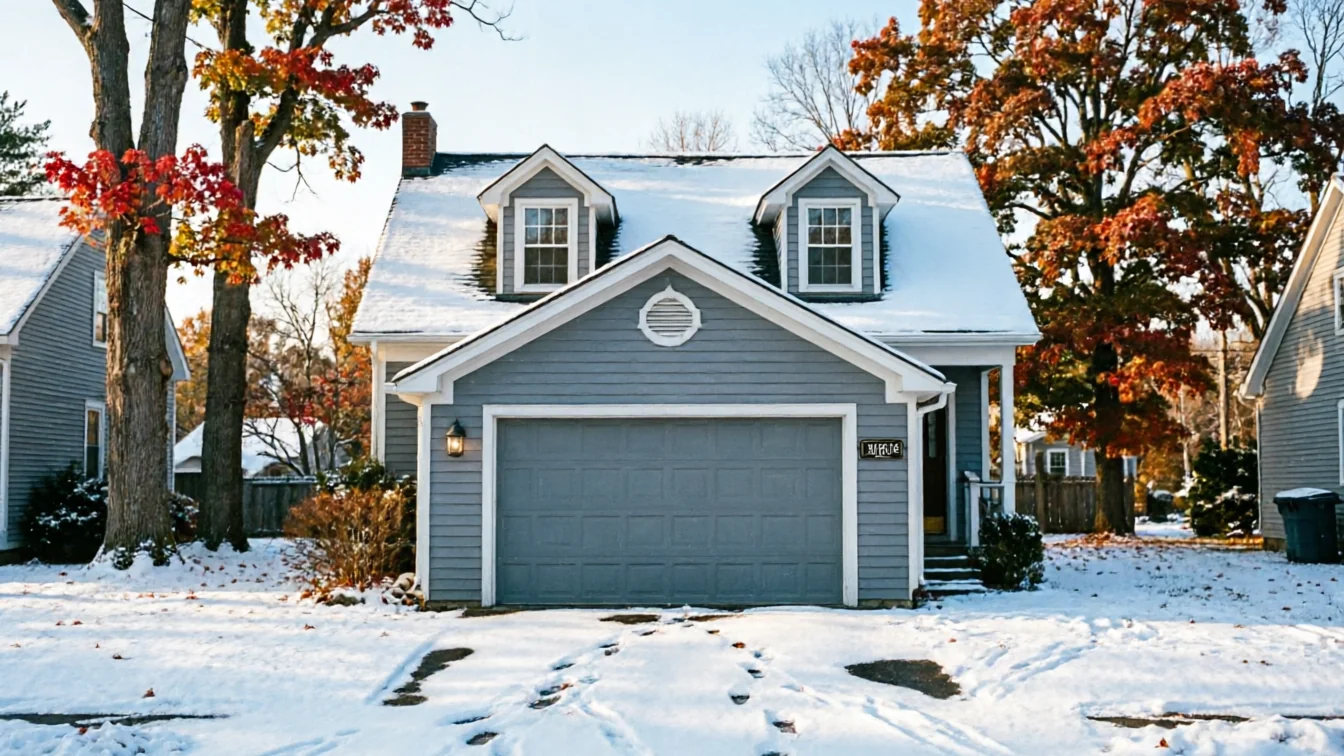
This area sits in a severe cold climate band, and that matters for openers specifically because grease inside an older gearbox thickens in low temperatures, making the motor work harder right when a power cut is most likely to happen - storm-driven outages and hard freezes tend to show up together here. A motor already straining against stiff grease is more likely to trip its own thermal overload during a cold snap, which can look exactly like opener failure but clears on its own once things warm up. With roughly 56,194 owner-occupied houses across the service area and median household income near $80,694, most homes here can afford a proper opener upgrade when the old one's done, but a lot of people are still running the original 80s or 90s unit because it mostly works. Cold is what finally exposes the parts that were already marginal.
Talk to a local pro
Garage door trouble in York?
Same-day service with honest, upfront quotes.