Local detail
When to Get Help
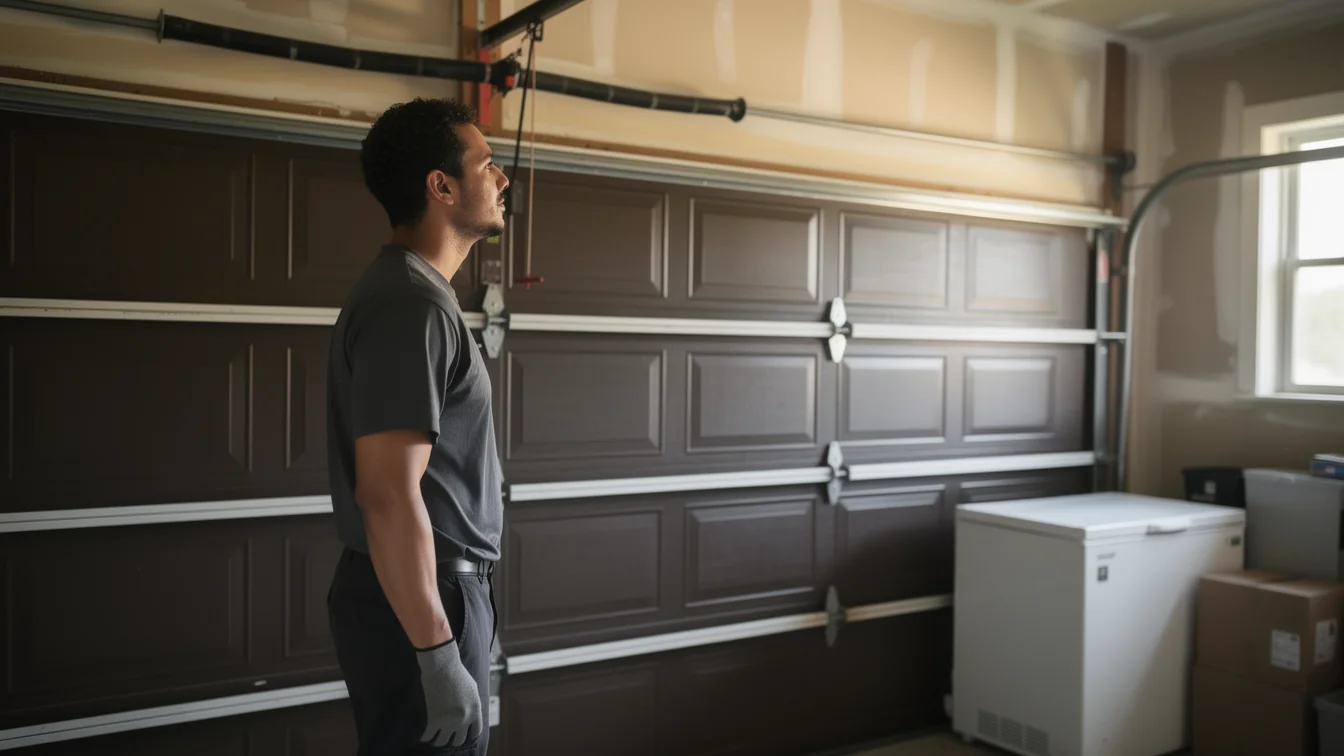
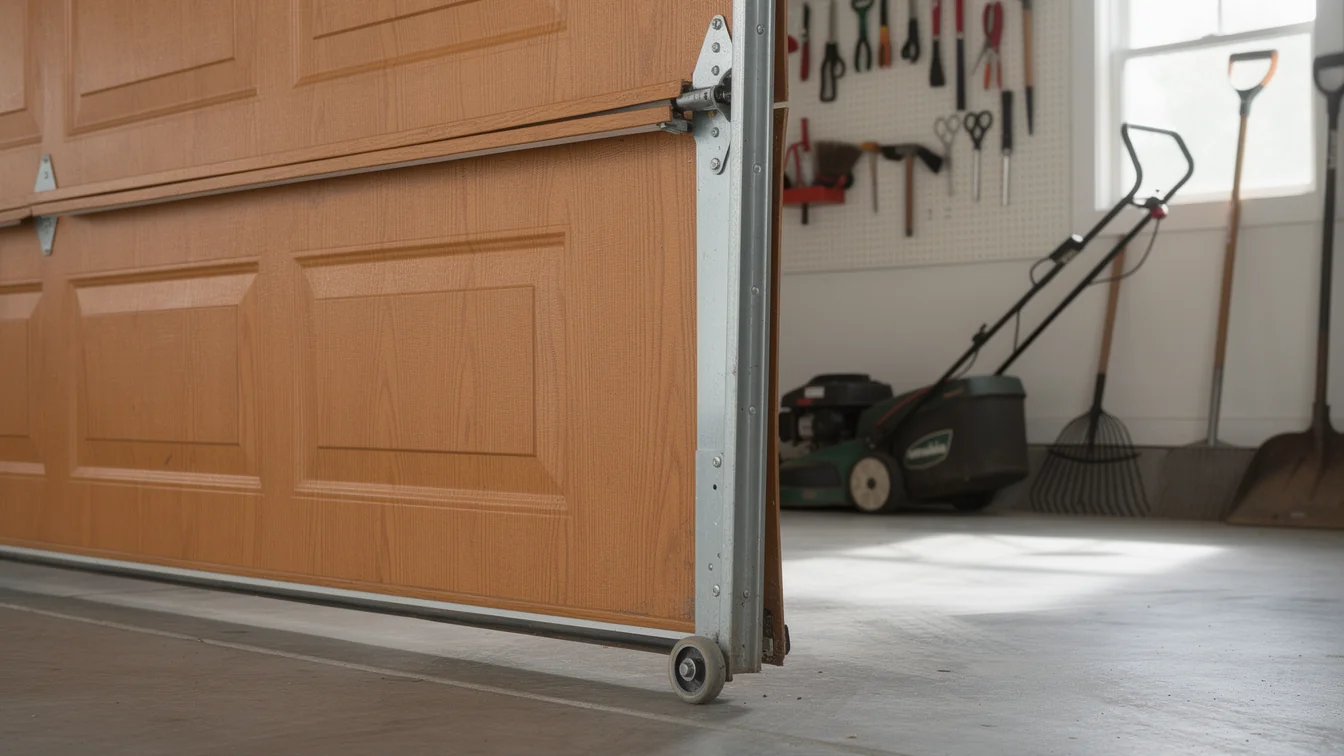
If a panel is visibly bent where it meets the track, or the door is hanging at an angle instead of sitting flush in the opening, stop running it. Call before you try to force it back with a pry bar or a mallet - that's how a roller bracket tears loose from the panel instead of just bending back into place. A door that's merely rubbing the track on one side can sometimes wait a day. A door that's hanging crooked, has a cable off the drum, or won't move at all needs a call the same day, because every cycle after that grinds more damage into the track and the roller stems.
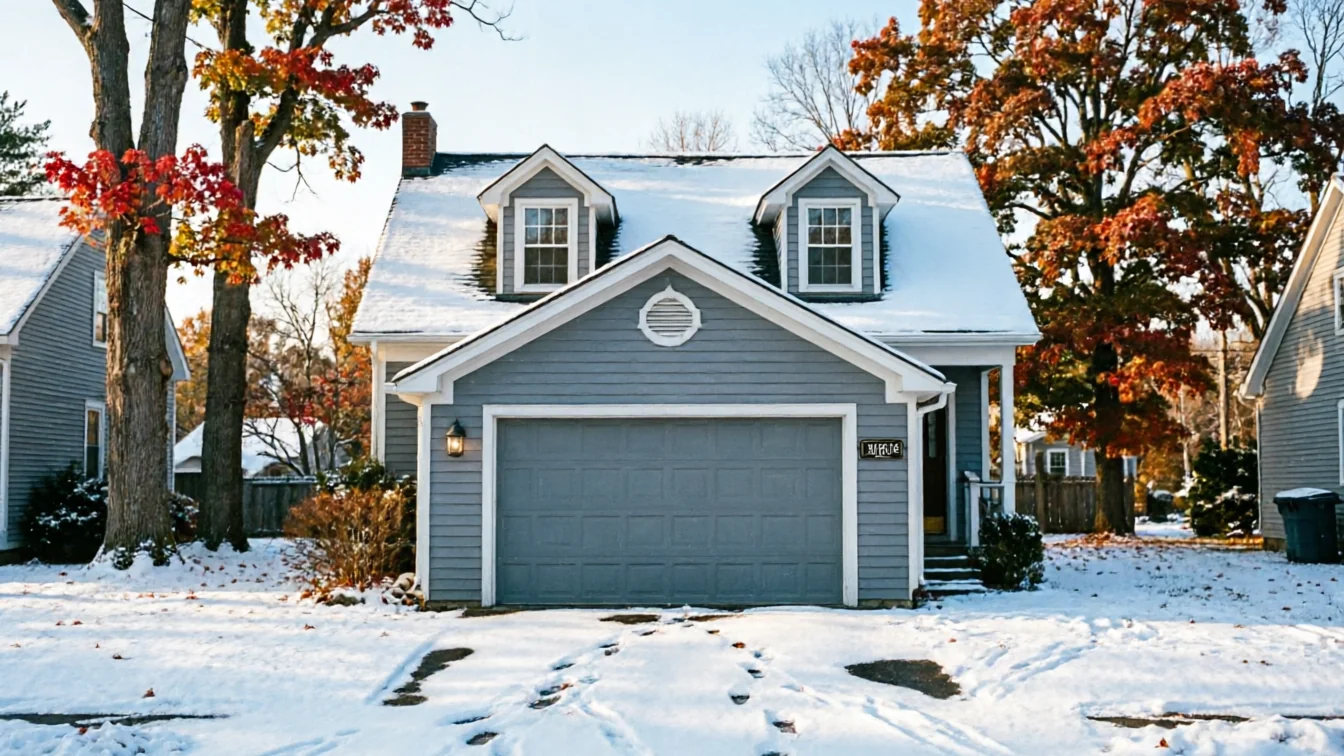
Around York, a lot of the service calls on this come from houses in the 1960s-70s stock - the original track brackets on these were never built for the loads a modern insulated door puts on them, and decades of small shifts add up. If your house falls in that build era, a track that's walked a little out of plumb is common enough that it's worth a look even before it fails outright.
The area
What Is Going On
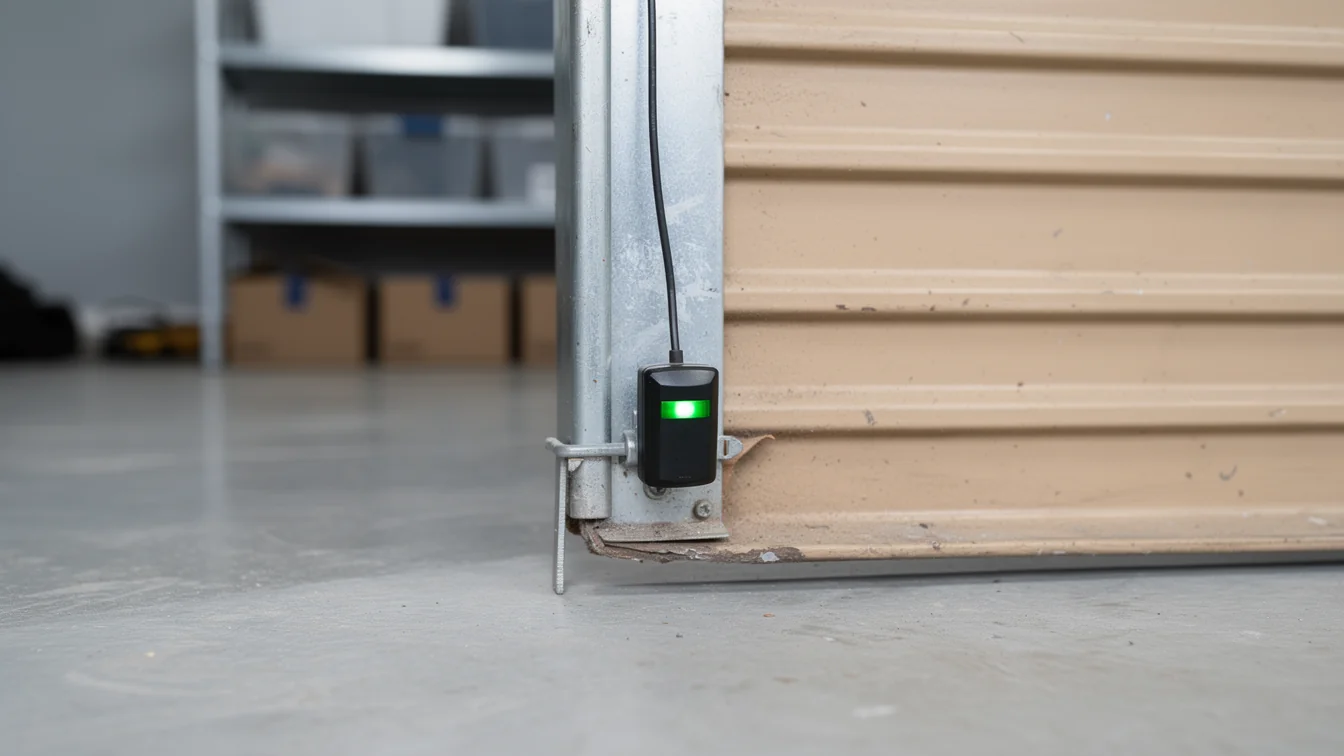
A door comes off track almost always for one of two reasons: the track itself has moved, or the rollers riding in it have worn or broken. In York housing built between 1938 and 1995 - median around 1972 - the vertical track sections are usually lag-bolted into wood jamb framing that's flexed and settled over fifty-plus years. Once a jamb bows even a quarter inch, the track bolted to it follows, and the rollers start hitting the rail at a slight angle instead of straight on. That angle wears the roller stem faster, and a worn stem lets the roller rock sideways until it jumps the rail entirely, usually at the curve where vertical track turns into horizontal.
Cold is the other half of it. York sits in a severe cold climate band, and steel track contracts in deep cold enough to open up small gaps at the bolted joints that were snug in July. A door that's borderline all summer will often pick the coldest week of the year to finally walk off the rail, because that's when the track hardware is at its tightest tolerance and least forgiving of a bent roller or a loose bracket.
What we find
Doing Nothing For Now
Leaving a door that's rubbing or slightly off-square is not an emergency, but it isn't free either. Every open-close cycle on a misaligned track wears the roller stem a little more and stresses the spot where the track bolts to the jamb. On the older end of York's housing stock - homes going back to the late 1930s through the 1970s - that jamb wood has already taken decades of seasonal movement, and a track that keeps getting cycled while loose will eventually pull the lag bolts enough that the whole bracket needs re-anchoring, not just a bend-back.
The honest trade-off: if the door still opens and closes without binding and nothing is visibly bent, you can wait for a scheduled appointment rather than an emergency one. But waiting through a stretch of hard cold with a track that's already borderline is a bad combination here - the contraction in the steel can turn a minor rub into a full derailment overnight. If you're not sure which category you're in, that's worth a phone call rather than a guess.
How we work
What Local Conditions Do
Two things specific to this area drive how often this problem shows up. First, the age of the housing: most of what we work on across the 58 named areas we cover was built in that 1960s-70s window, which means original steel track and jamb framing that's never been replaced, only patched. Second, the climate - York's winters fall in the severe cold band, and track hardware that's a little loose in August is often the hardware that fails in January, when steel is tightest and least able to flex around a bent spot.
We see this across the board from close-in areas like Grantley and Valley View out to Spring Grove and Dallastown - the pattern doesn't change much with distance from York itself, because it's tied to when the house was built and what the winter does to the metal, not to which side of town you're on. A door that's been walking slowly out of track for a season tends to finally let go on the first real cold snap, which is why we get more of these calls in winter than any other time of year.
Talk to a local pro
Garage door trouble in York?
Same-day service with honest, upfront quotes.