Local detail
When to Get Help
Call before the door quits on you completely. A door that groans going up, drifts shut on its own, or needs a shove partway through the cycle is telling you a spring or cable is losing tension, not that it needs oil. Around York, where most houses were built between 1938 and 1995 with a median build year of 1972, a lot of original hardware is still in service. That means springs and openers that are decades past their rated cycle count, on doors that were never updated when the opener got replaced in some other decade. If the door reverses for no reason, or the remote works some days and not others, that's worth a call now rather than after a cold snap locks things up for good.
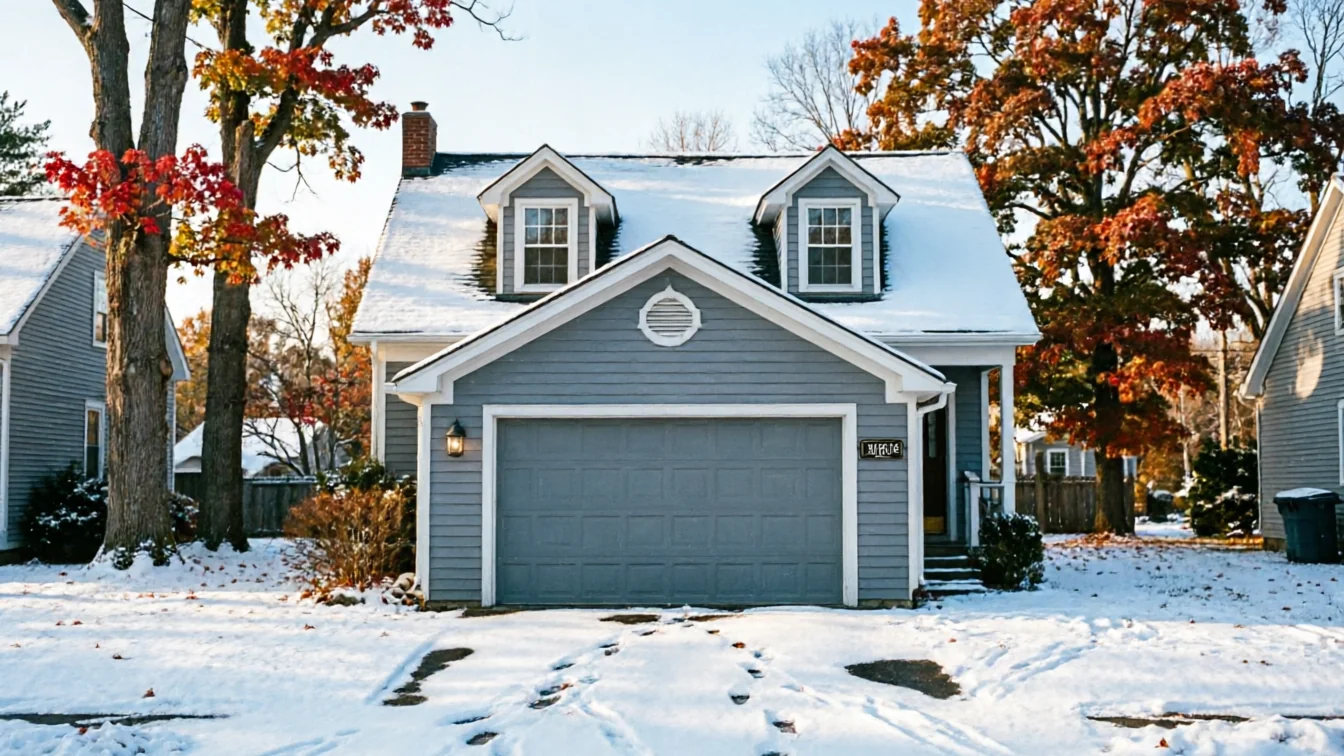
The area
What Is Going On
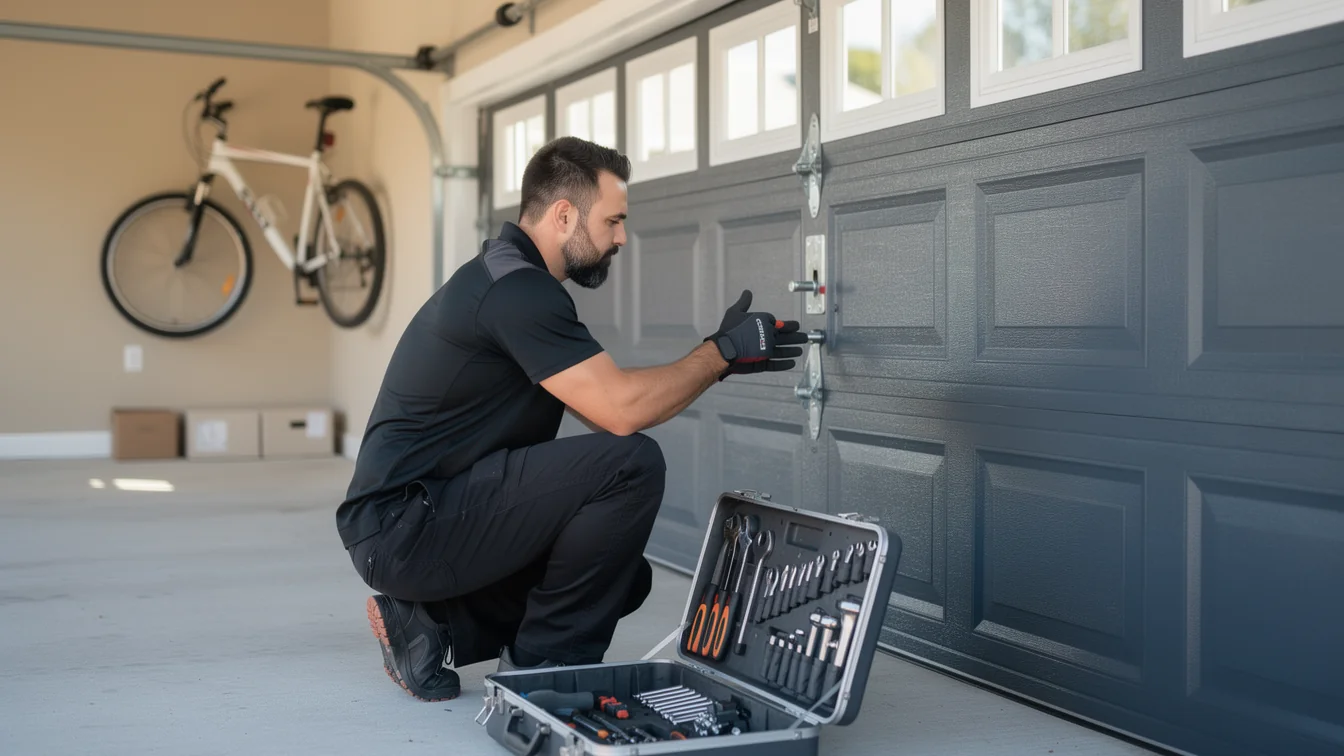
A service call starts with the spring system, since that's what's doing the lifting, not the opener. On a house from the 1960s or 70s - which describes most of the stock across the 58 named areas in this service territory - we're usually looking at torsion springs rated for a door and insulation package that's heavier than what the hardware was sized for originally, especially if the door's been swapped once already. We check cable fray at the drum, roller wear in the track, and whether the bottom panel has started to crack or bow, which is common on doors from that era that were never insulated for real cold. Then we check the opener's force settings against the door's actual weight, since a mismatch there is what causes the reversing and the grinding you hear on the way down.
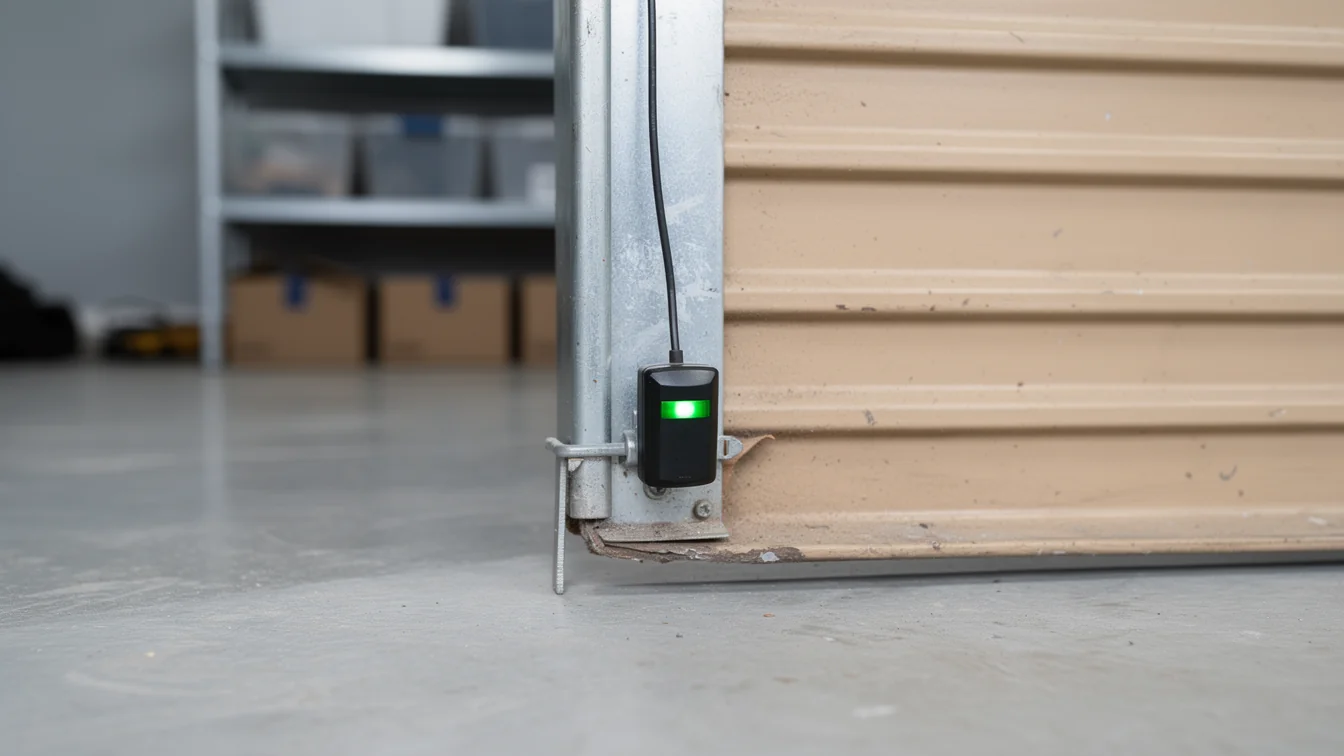
What we find
Doing Nothing For Now
Sometimes the honest answer is to wait. If a spring still has life left and the only issue is a worn weatherstrip or a roller that squeaks but tracks true, replacing anything now is money spent early. We'll tell you that when it's true. What we won't do is talk you into a full replacement on a door that's sound structurally just because it's old - plenty of the 1972-era doors in this area are still straight and square, and a new opener or a spring swap gets another decade out of them. The limitation here: we don't stock every panel size for every door built in that window, so if your specific model needs a custom panel, that part can take longer to source than the rest of the job.
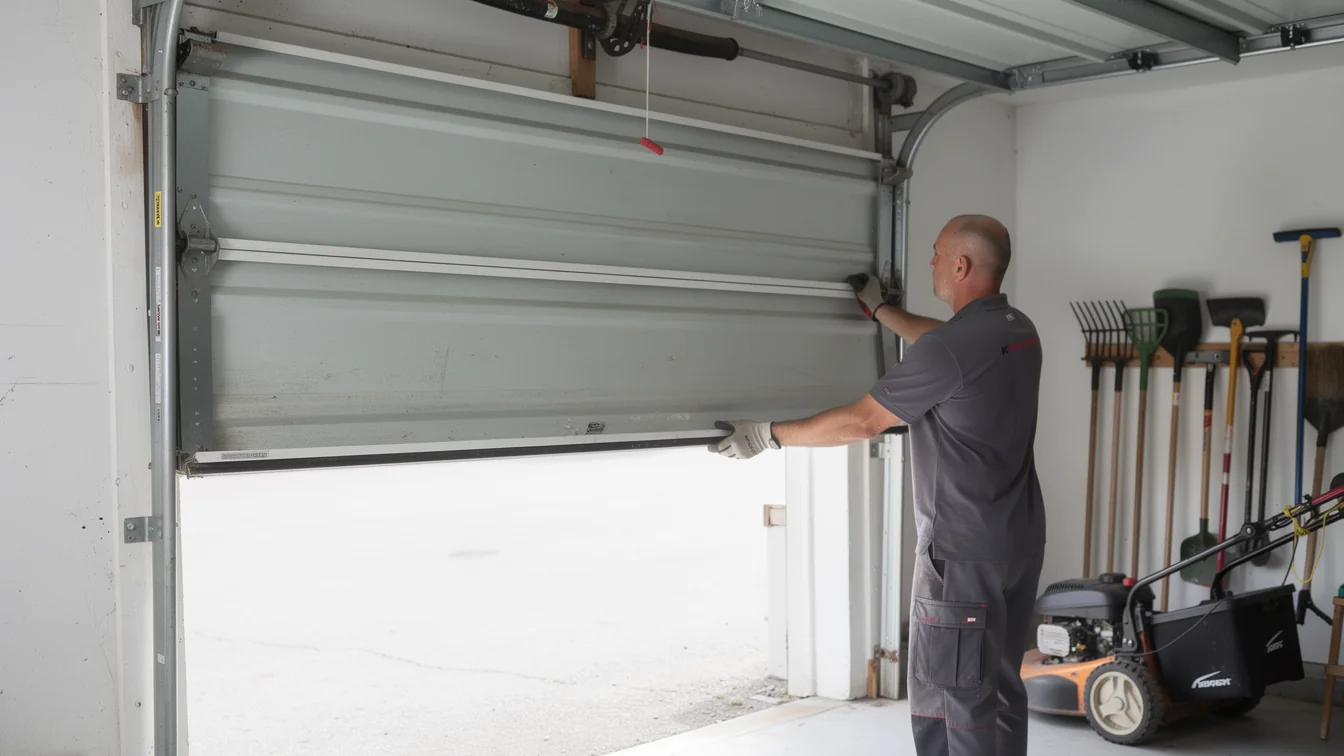
How we work
What Local Conditions Do
This is a cold-severe climate band, and that matters more for garage doors than people expect. Steel contracts in deep cold, which tightens tolerances in the track and makes a marginal roller or a slightly bent track bind instead of just squeak. Torsion springs also lose a measurable amount of lifting power as temperature drops, so a spring that was borderline in October can fail outright in January. On uninsulated doors from the 1938-1995 building stock common across Grantley, Valley View, East York, Spry, and the rest of this area, that combination of old hardware and cold-weather stress on steel is the most common reason we get a call in winter that didn't exist in summer. We check for exactly that pattern on every service visit here, not just when a door's already stuck.
Talk to a local pro
Garage door trouble in York?
Same-day service with honest, upfront quotes.