Local detail
When to Get Help
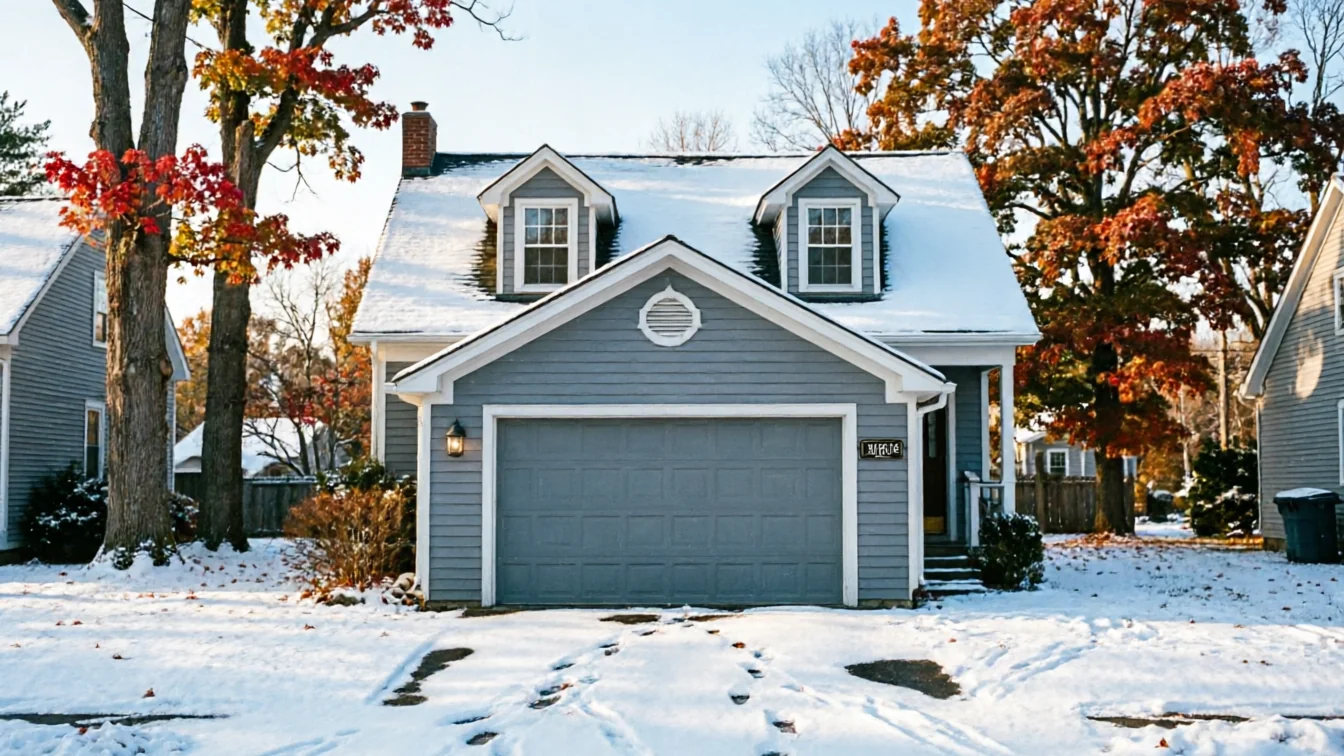
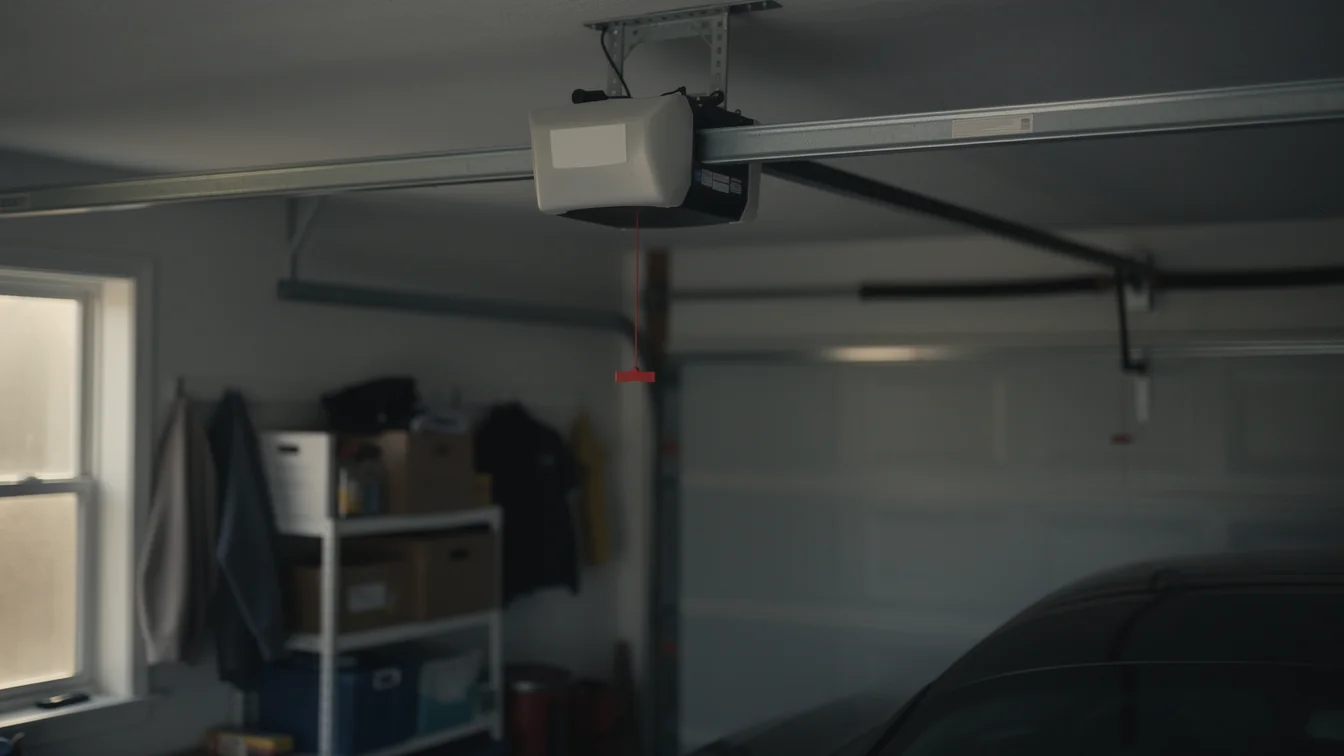
Call when the door won't open evenly, when you hear a bang or pop from the spring area, or when the opener runs but the door doesn't move. On a lot of the housing stock around York - built between 1938 and 1995, with the bulk going up in the 1960s and 70s - the original torsion hardware is still in place on side-mount systems that nobody stocks parts for anymore. That's not a scare tactic, it's just what we find on most service calls in the older sections of town. If a cable has jumped the drum or a panel is bent at the bottom, don't force the opener - you'll strip the gears or worse, pull the whole track off the jamb. Get it looked at before you try to run it again. One thing we won't do is talk you into a same-day full replacement if the fix is a $30 part - we'll tell you that up front, even if it means a shorter job.
The area
What Is Going On
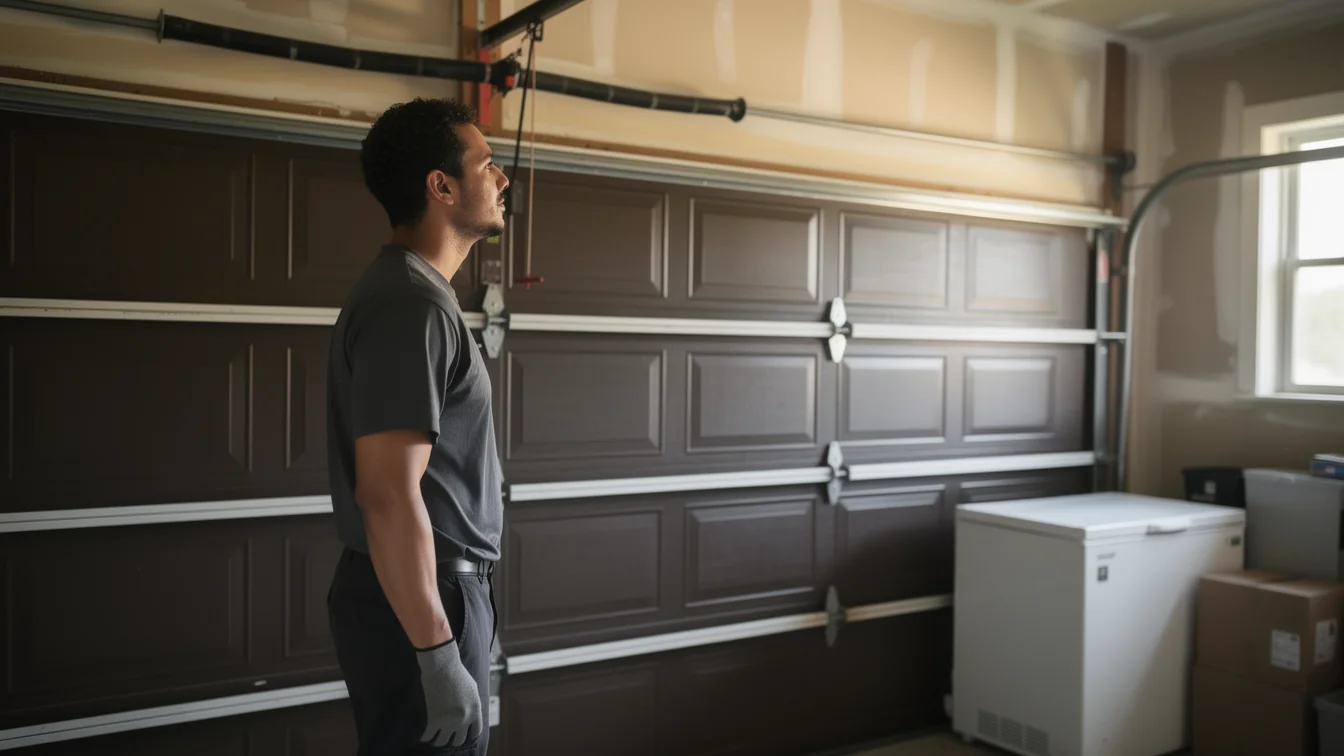
Most of the time it's one of three things on houses this age: a torsion spring that's fatigued past its rated cycle count, rollers that have worn their nylon edges down to the steel core, or a track that's shifted out of plumb because the framing settled decades ago. Houses built in the 1960s and 70s - which describes most of the 58 named areas in this service territory - were built to a different standard than anything going up now, and the garage was often an afterthought: single-car openings, lighter-gauge track, springs sized for doors that weighed less than what's on them today after insulation upgrades. When we check a door, we're looking at spring wind count, drum alignment, and whether the track spacing still matches factory spec for the door's actual weight, not just whether it opens and closes.
What we find
Doing Nothing For Now
Sometimes doing nothing is the right call. If the door operates smoothly, closes flush, and the spring still has visible wind tension without any gaps in the coil, there's no reason to replace parts that are working. Replacing a spring that still has life left in it because it's old doesn't make sense - we only replace what's actually failing or about to. That said, in a cold climate zone like this one, a spring under extra load in winter (contracted steel, stiffer lubricant) is more likely to show a failure you'd have otherwise caught months earlier in milder weather. Waiting through one more winter on a spring that's already showing surface rust or uneven coils is the kind of thing that turns a $150 spring job into a trip hardware - drum, cable, maybe a bent track - all at once.
How we work
What Local Conditions Do
York sits in a severe cold climate band, and that matters more for garage doors than people expect. Steel contracts in cold temperatures, which tightens tolerances on tracks and rollers that were already sized for a 1970s-era door. Grease that's fine in summer turns thick enough in a cold snap to slow a spring's return or make an opener strain on startup - which looks like a motor problem but usually isn't. We see this pattern repeat across the nearby areas we work in, from Grantley and Valley View a couple miles out to Spring Grove and Dallastown further south - the same housing-age and climate combination driving the same handful of failures. It's less about any one storm and more about decades of freeze-thaw cycling on hardware that was never rated for a 50-plus-year service life.
Talk to a local pro
Garage door trouble in York?
Same-day service with honest, upfront quotes.