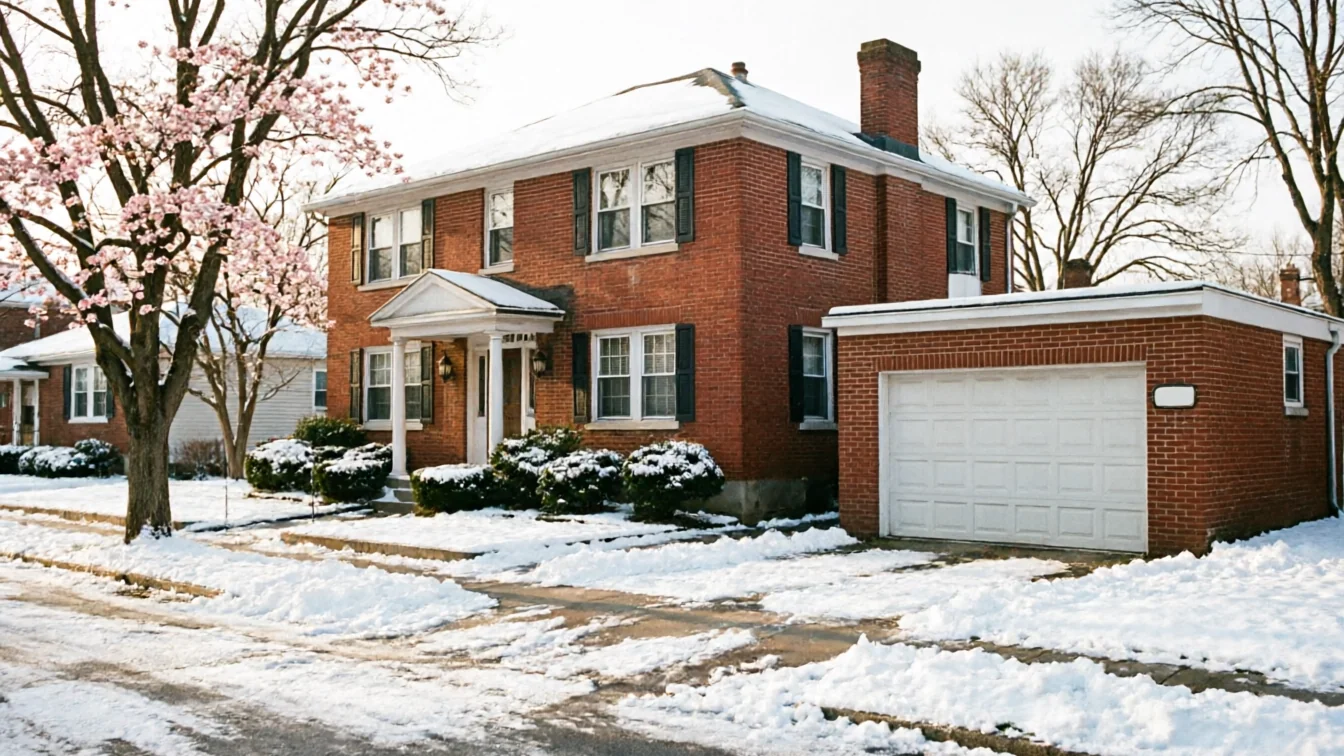
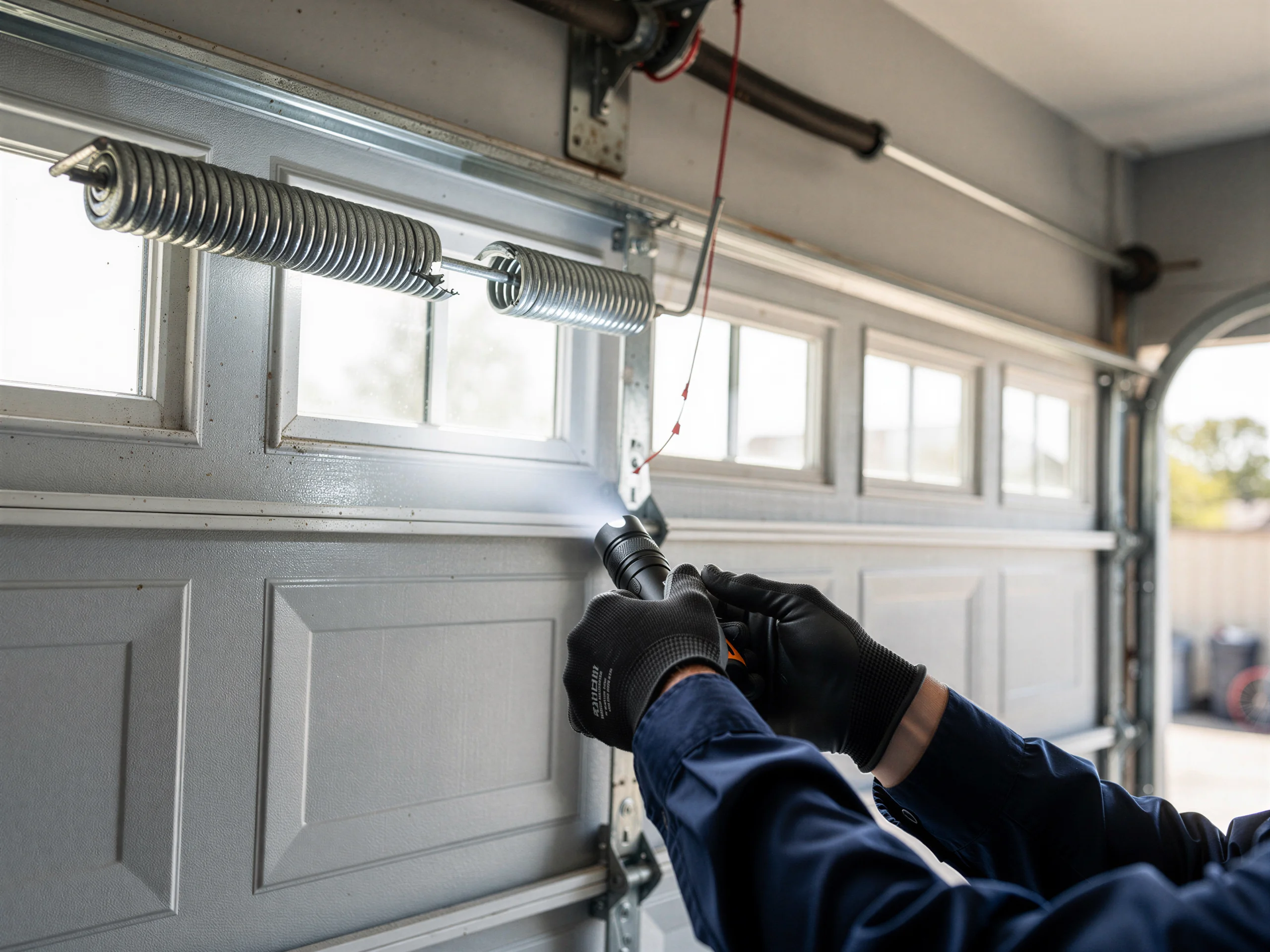
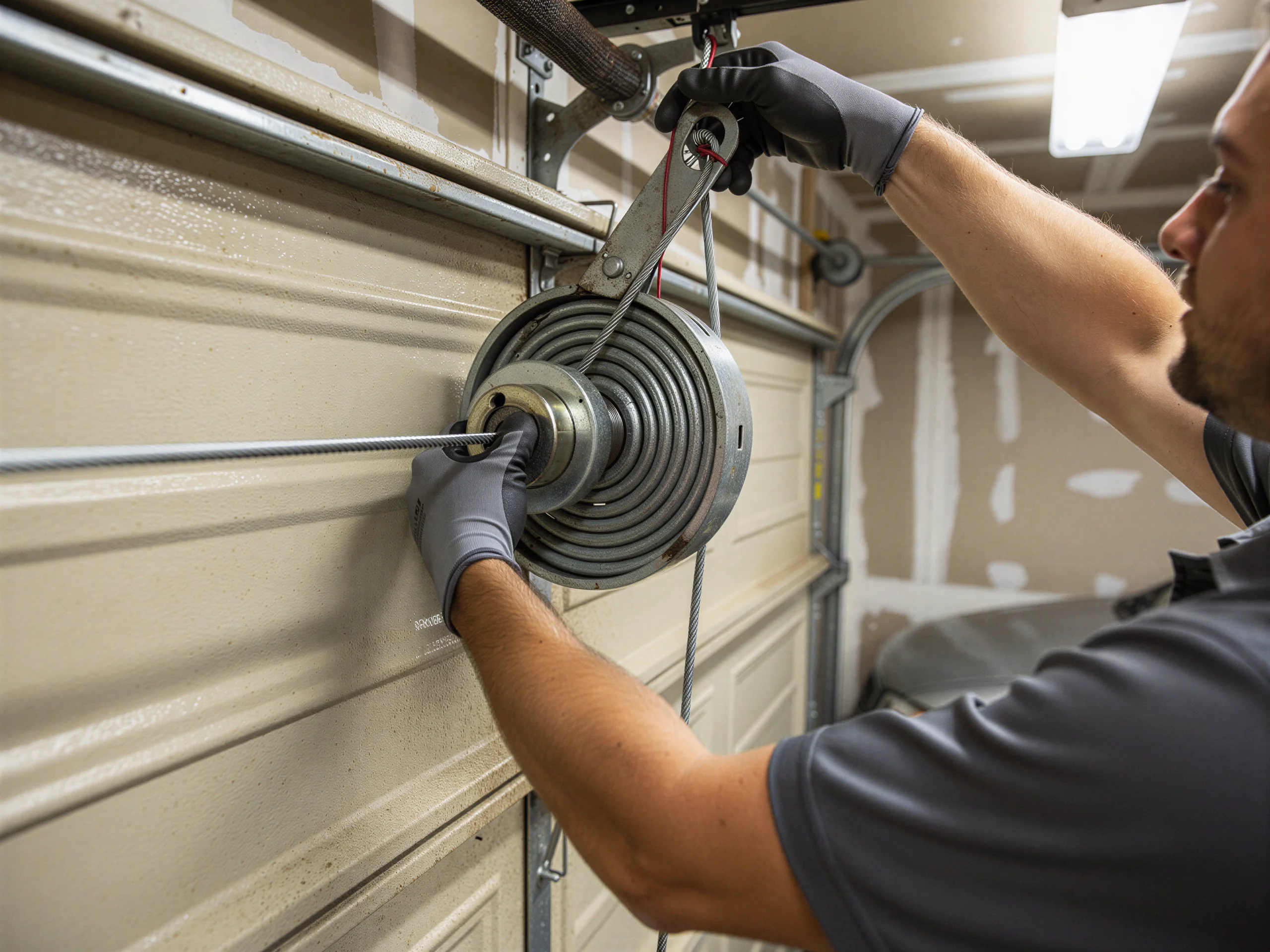
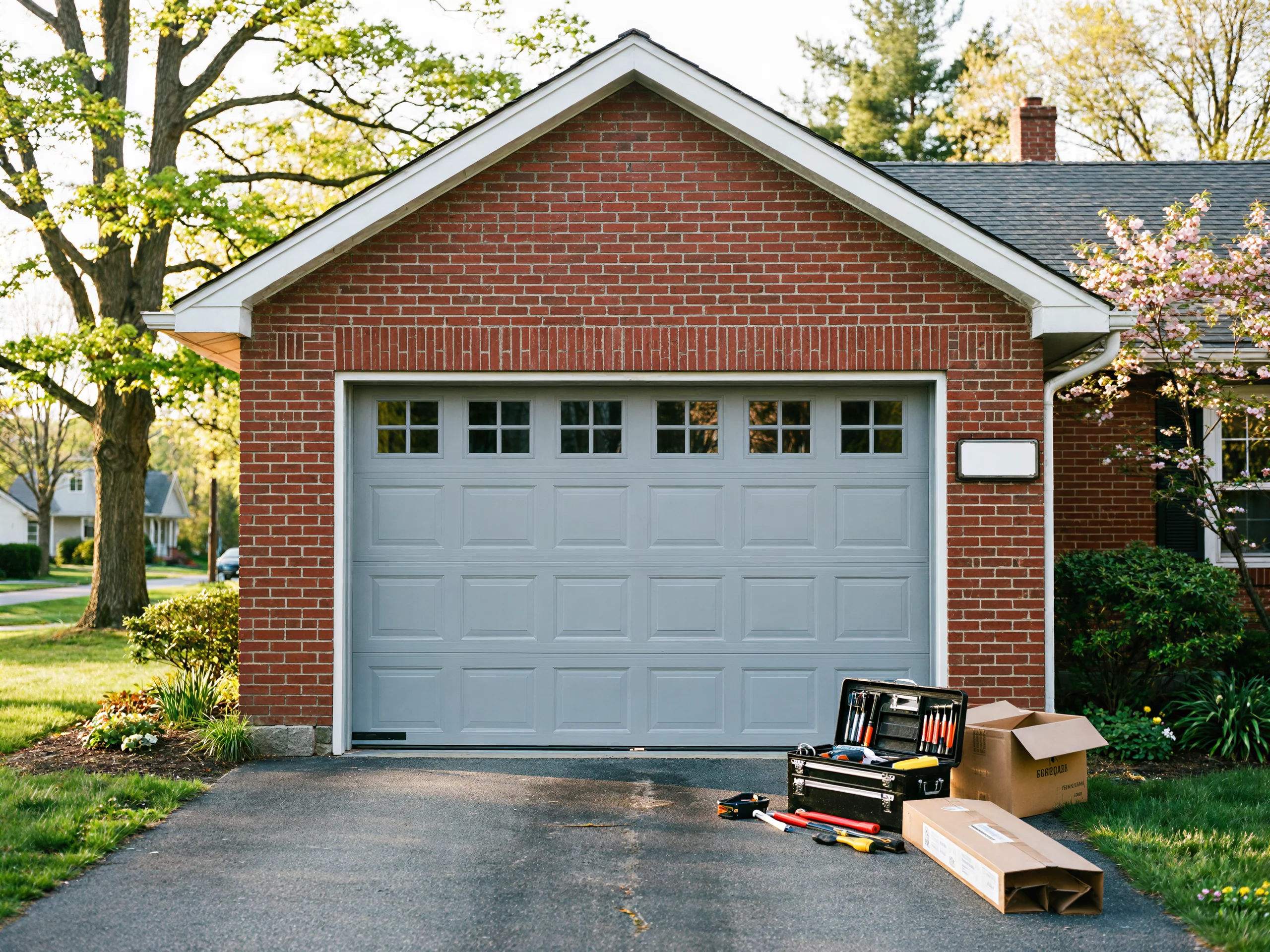
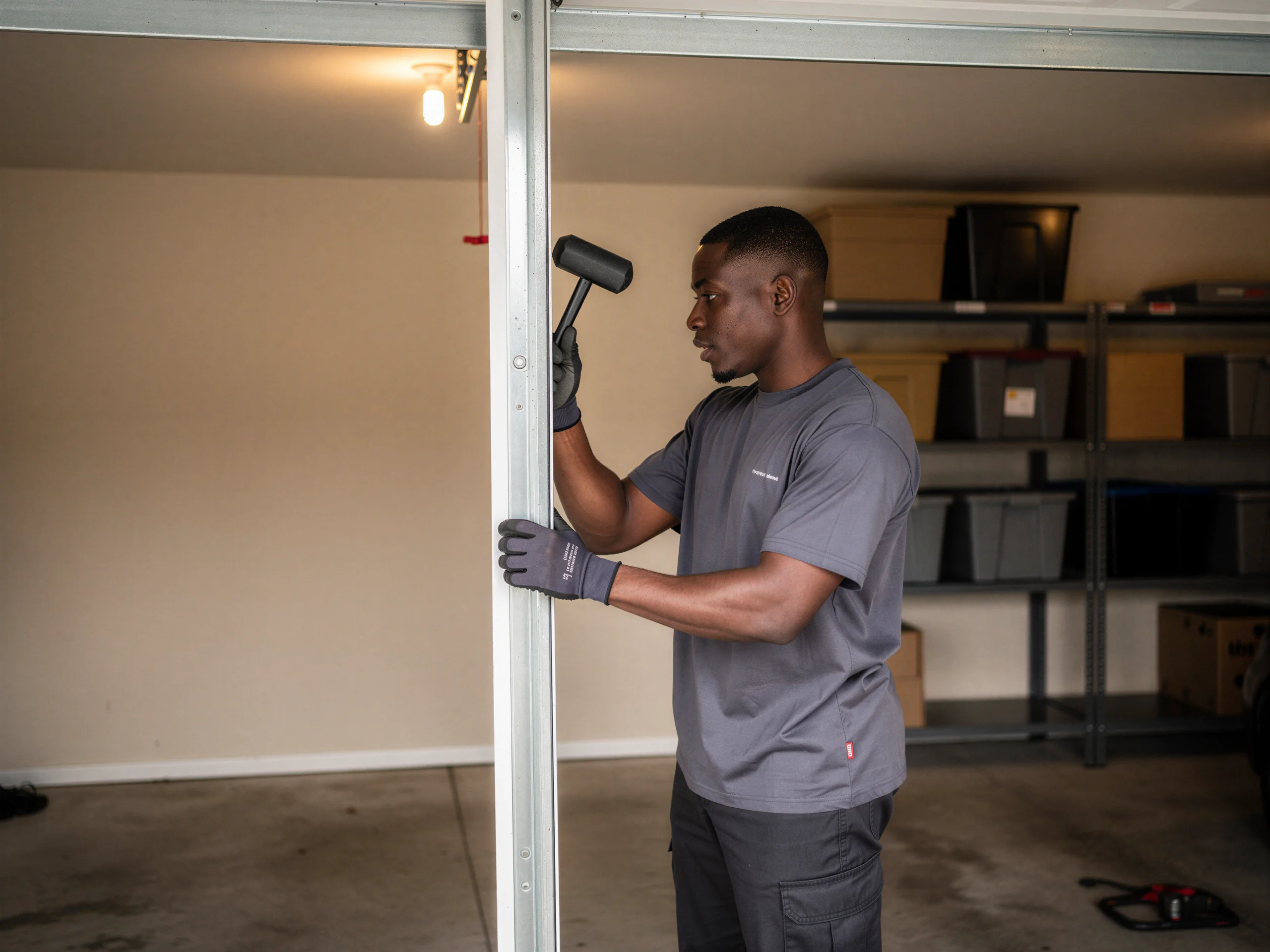
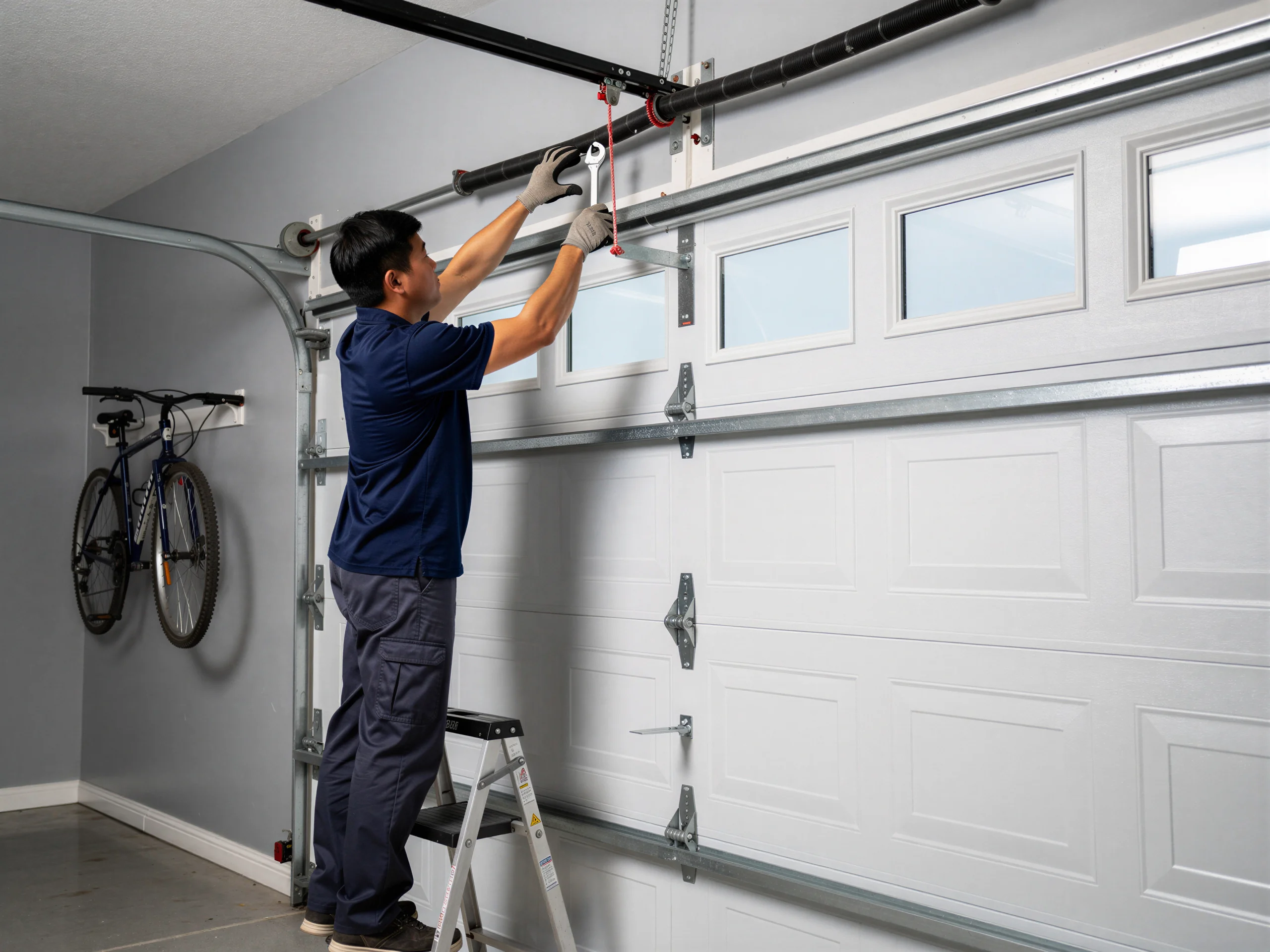
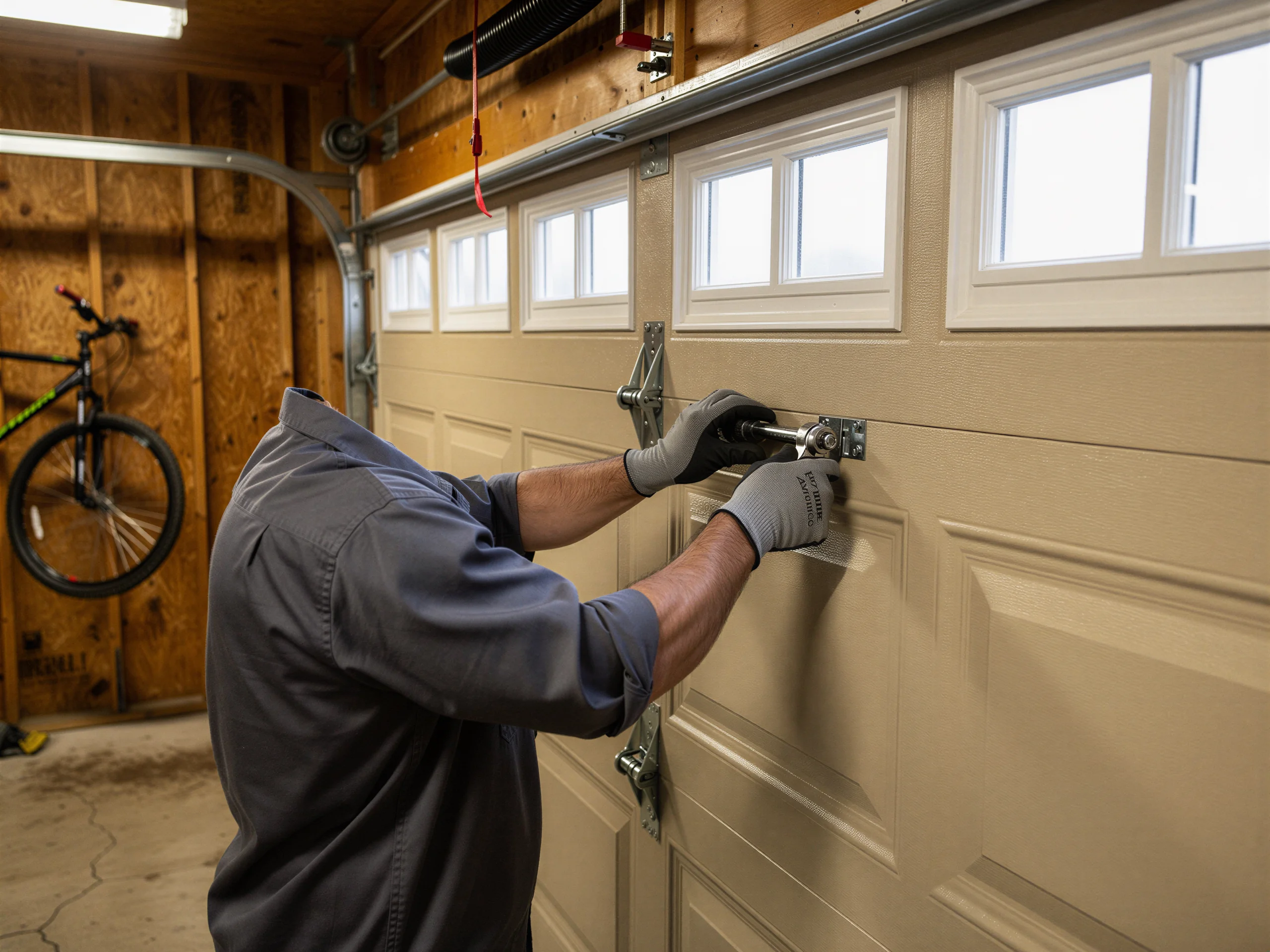
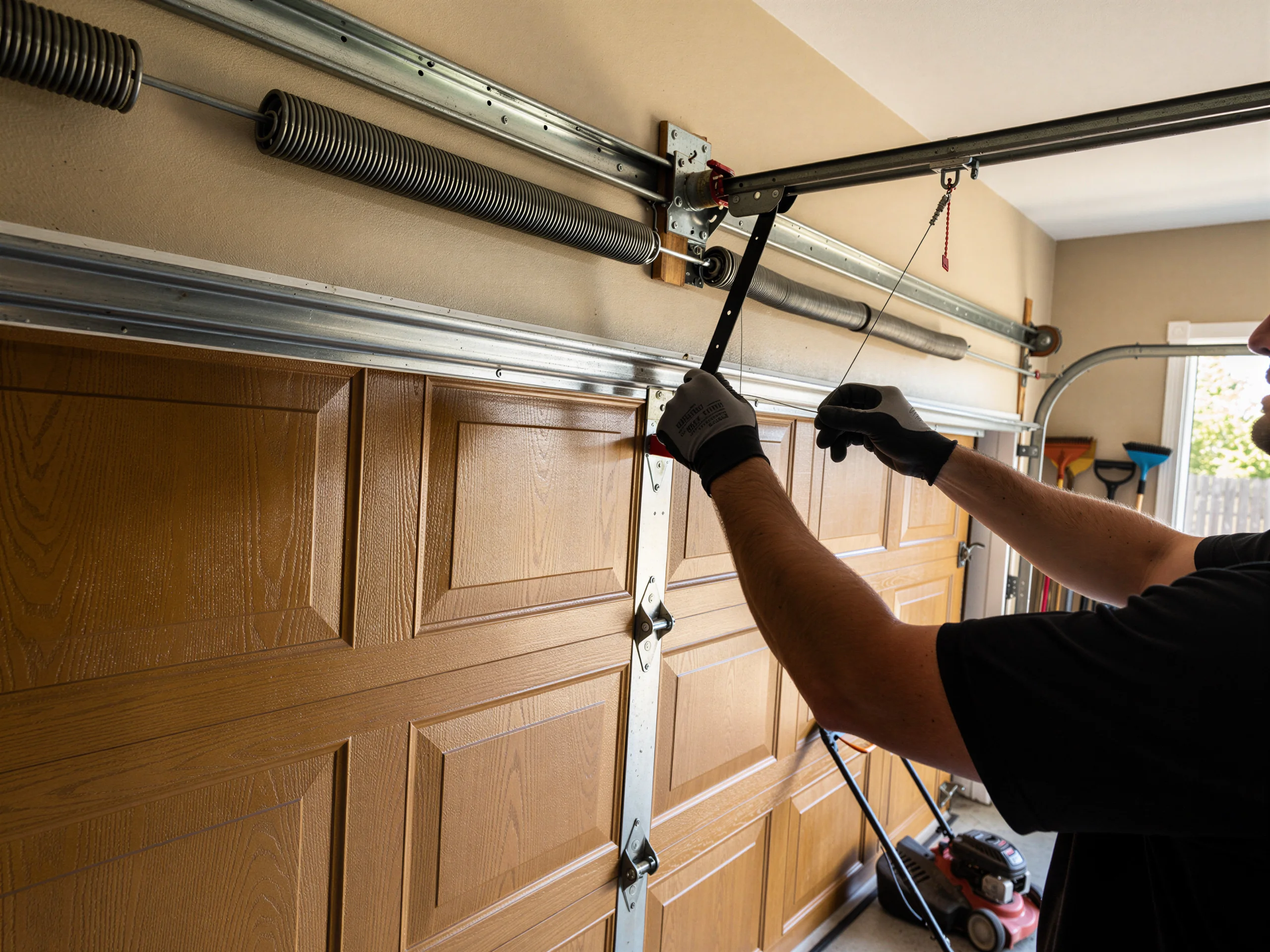
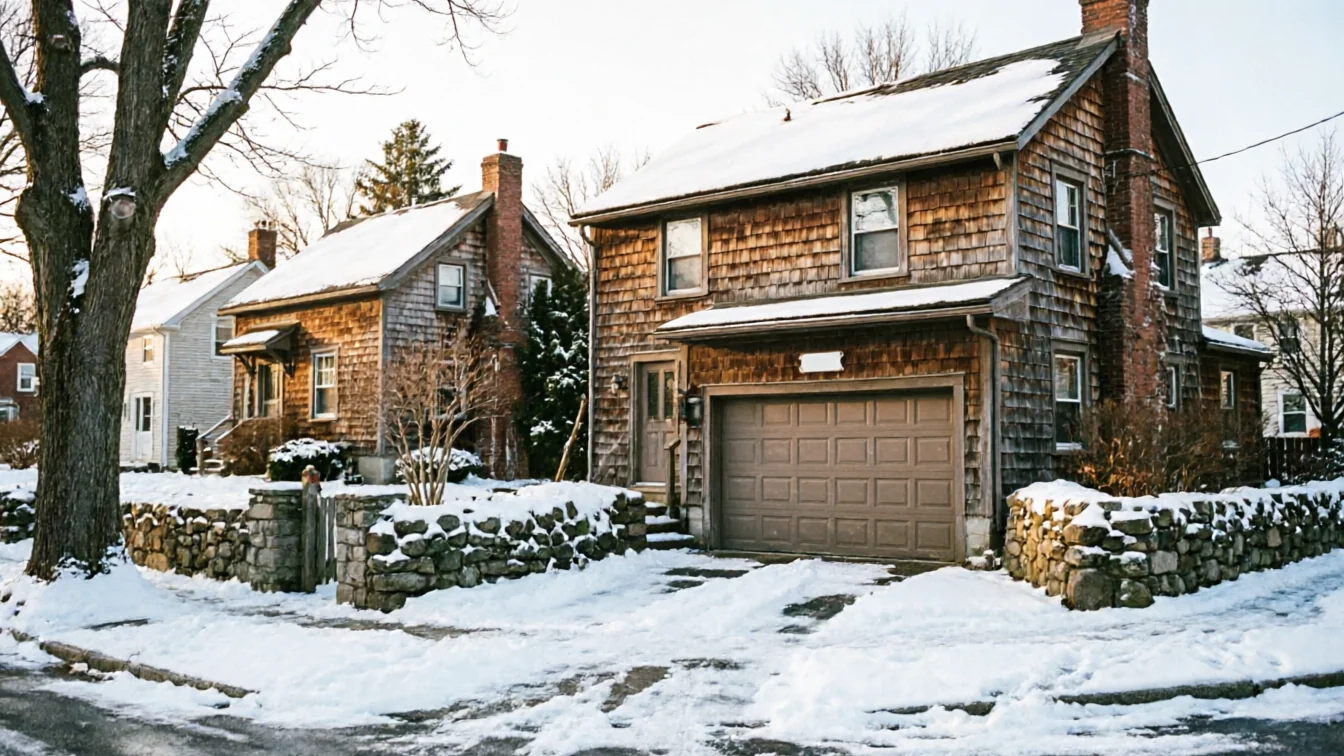
Across the towns we run to, the housing stock skews heavily toward the 1960s and '70s, which is the same window the broader area's median construction year of 1972 points to. That means a lot of single-car and two-car attached garages built to the codes of that era - lighter framing, torsion springs sized for doors that were lighter than what's sold today, and openers that have usually been replaced once or twice since the house was built. Household income across the service area runs a median of $80,694, which is a reasonable predictor of what gets chosen when a door does need replacing: more owners here go with an insulated steel door over the cheapest bare panel than you'd see in a market with a lower median. With close to 125,000 households and over 56,000 owner-occupied houses spread across these 58 named areas, the mix isn't uniform - newer pockets closer to town have 1990s-era doors and openers, while the older edges still have original one-piece or early sectional setups that nobody's touched since the Carter administration. Knowing which era a house falls into before the truck rolls is most of the job.