Local detail
When to Get Help
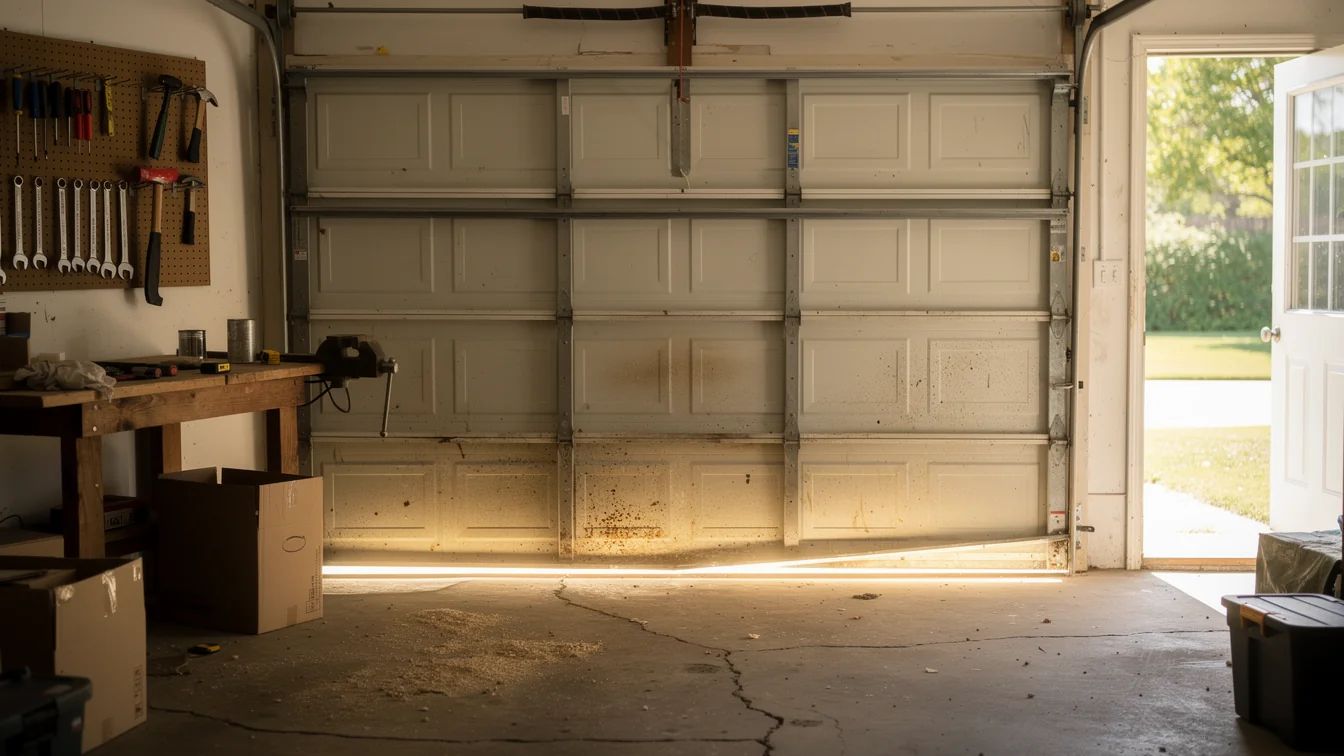
If your door is original to a house built in the 1960s or 70s, which covers a lot of York's stock, call before the spring breaks, not after. A door that's sagging at the corners, binding on one track, or groaning through a cycle is telling you the hardware is near its limit. Get someone out to look at it while it's still operating, even badly, because an inspection on a working door is quick and cheap. Once it's dead in the down position with a broken torsion spring, the job costs more and you've got a car trapped behind it. We'd rather look at a door that's ten years overdue for a tune-up than one that's already failed. If the opener is original too - a lot of houses in this area still have theirs - that's worth mentioning on the call, since parts for older units aren't something we can always get fast.
The area
What Is Going On
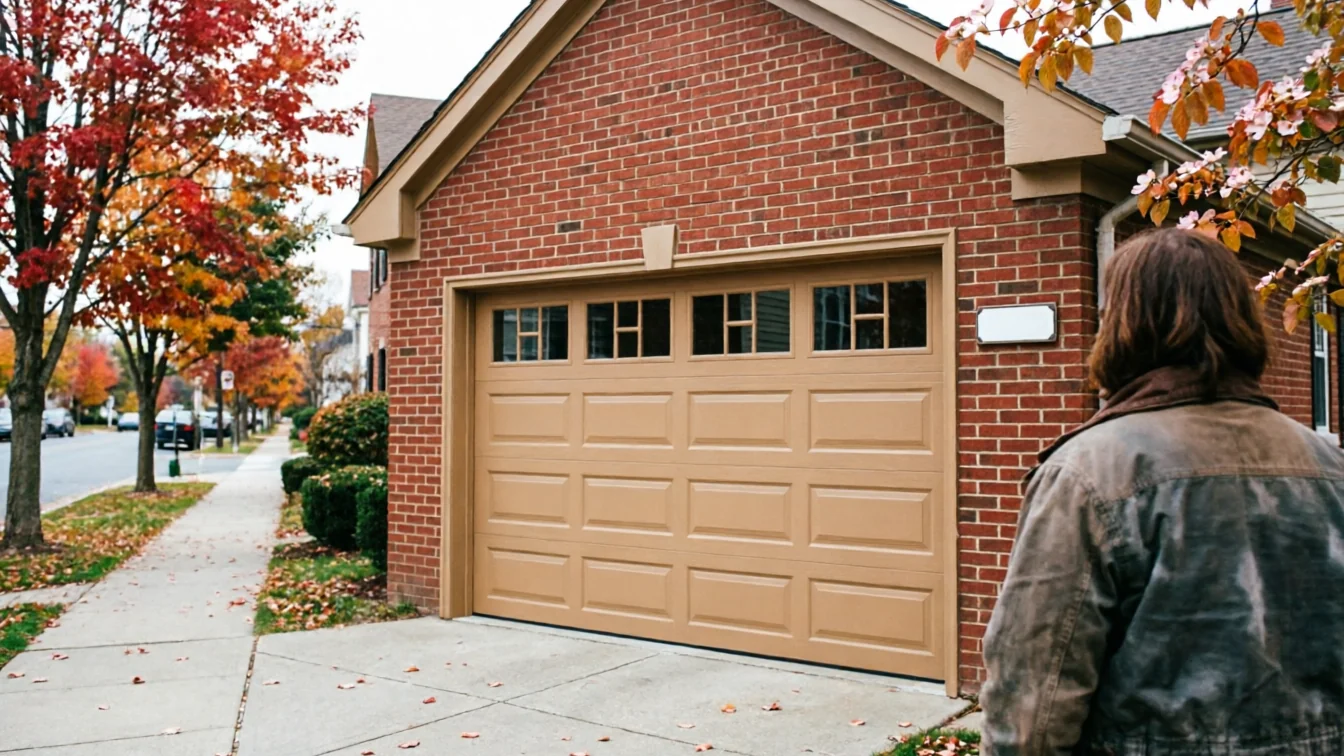
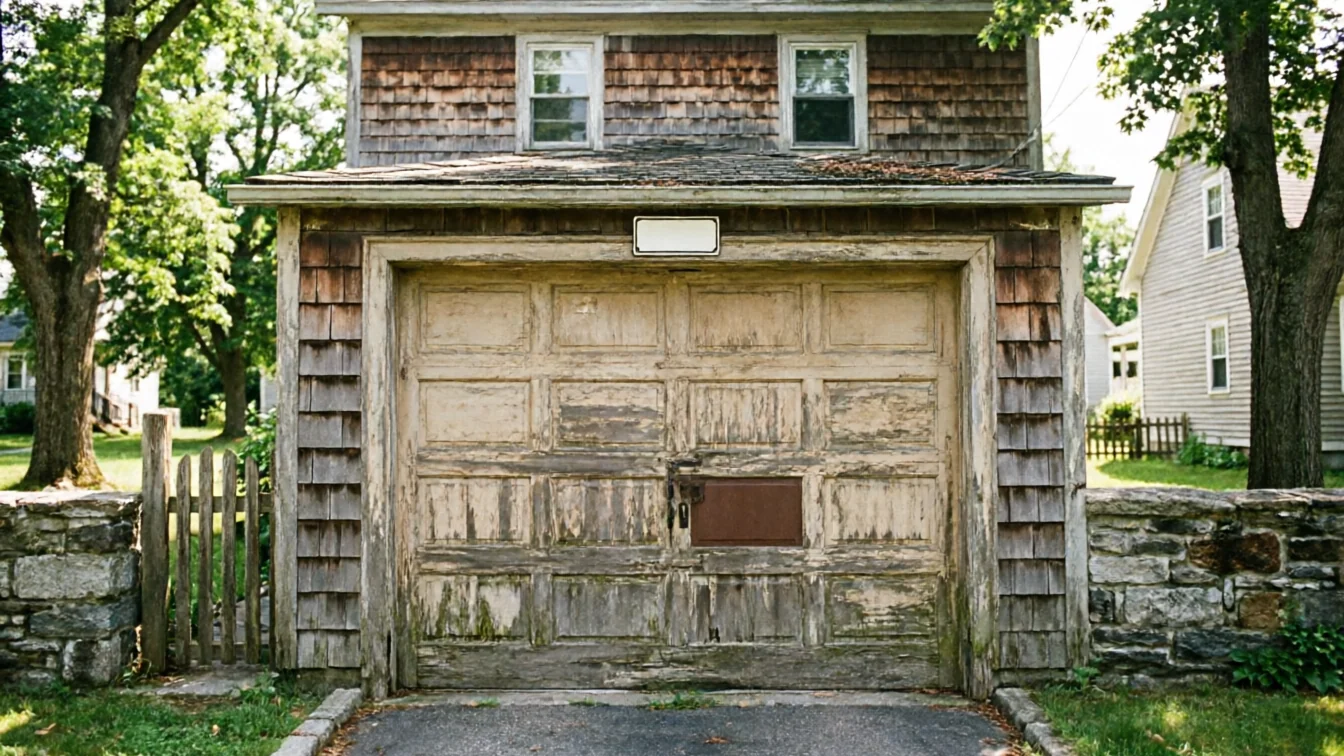
York's housing runs 1938 to 1995 with a median build year of 1972, and the bulk of it - across 58 named areas in this service area - is 1960s and 70s stock. That means a huge share of the doors we get called out to are original or close to it: single-layer steel or wood panel doors on side-mounted torsion springs, galvanized hardware that's now 50-plus years into a cold winter cycle every year. Springs in that era weren't rated for the cycle counts we expect today, and the track hardware wasn't built with the sealing or insulation that current cold-climate doors use. So what looks like 'the door is just old' is usually a specific, known failure: spring fatigue, a bent track from decades of thermal movement, or rollers that were never replaced since the house was built. None of that is a mystery once someone's hands are on it - it's just a matter of which part gave out first.
What we find
Doing Nothing For Now
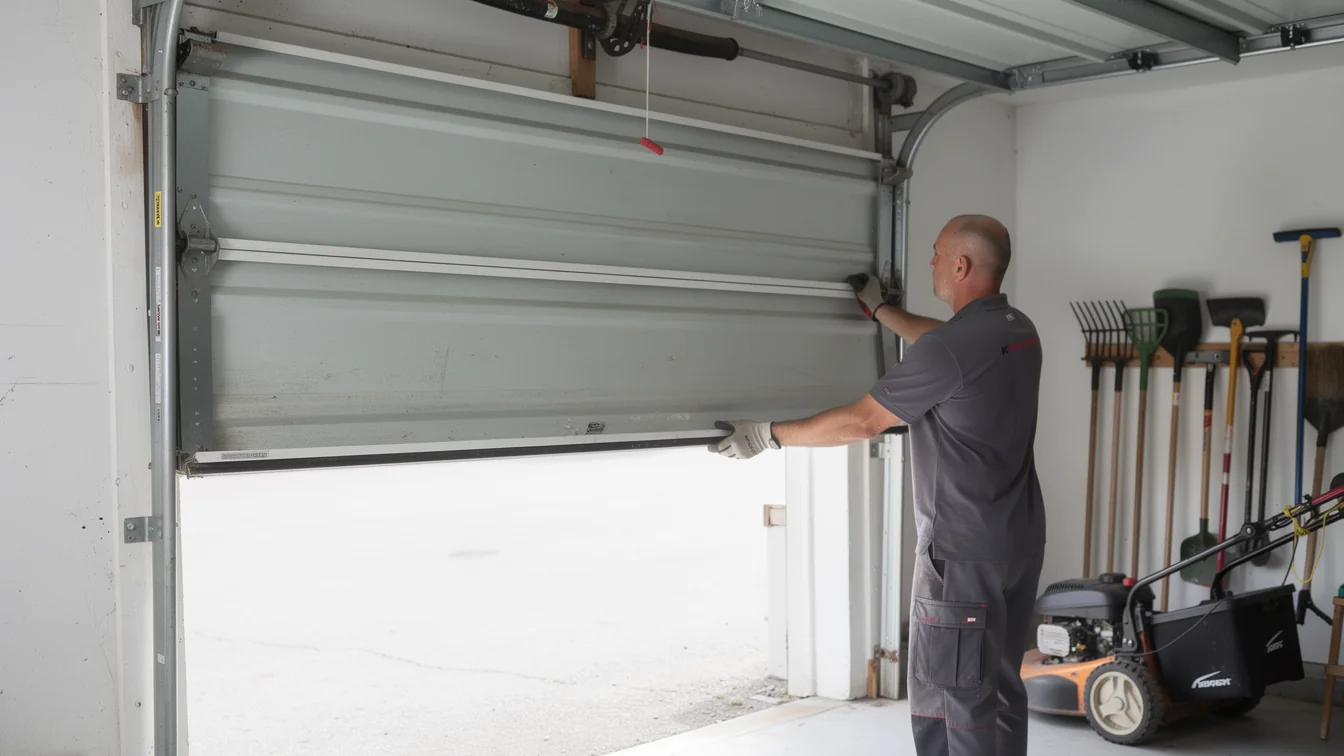
Here's the honest part: not every old door needs to be replaced right away, and we won't tell you it does. A sound wood or steel panel door with solid hardware can run another decade on a new spring, new rollers, and a track adjustment - that's often a fraction of the cost of a full replacement and it's the right call if the panels aren't rusted or cracked. We don't push replacement on a door that's still square and sealing well. Where we draw the line is when the door itself is warped, the panels are delaminating, or the opener predates modern safety reversal - at that point you're paying to patch something that's going to need the same money again in a year or two. If we think your door's a fix, we'll say so. If we think it's not, we'll tell you why, specifically, not just 'it's old.'
How we work
What Local Conditions Do
York sits in a severe cold climate band, and that matters more for an old door than people expect. Steel contracts in winter, and on a door that's 40 or 50 years old, the gap between panel and track that cold creates is often enough to pop a roller off its stem or put extra load on a spring that was already fatigued. Doors built before modern cold-weather sealing standards don't flex the way newer ones do - they just take the stress at whatever point is weakest, which is usually the spring or the bottom bracket. If your door is original to a 1960s or 70s build here, that's a door that has been through 50-plus winters of exactly this kind of contraction and expansion. It's not dramatic, it's cumulative, and it's the main reason an old door's remaining life is shorter in York than it would be somewhere with a milder winter.
Talk to a local pro
Garage door trouble in York?
Same-day service with honest, upfront quotes.