No modern safety cables
That hardware was not built with safety cables or modern drum stops. If you unwind a cable off a loaded drum without knowing which way the spring is wound, you can take a hand or a finger with it.
East York, York
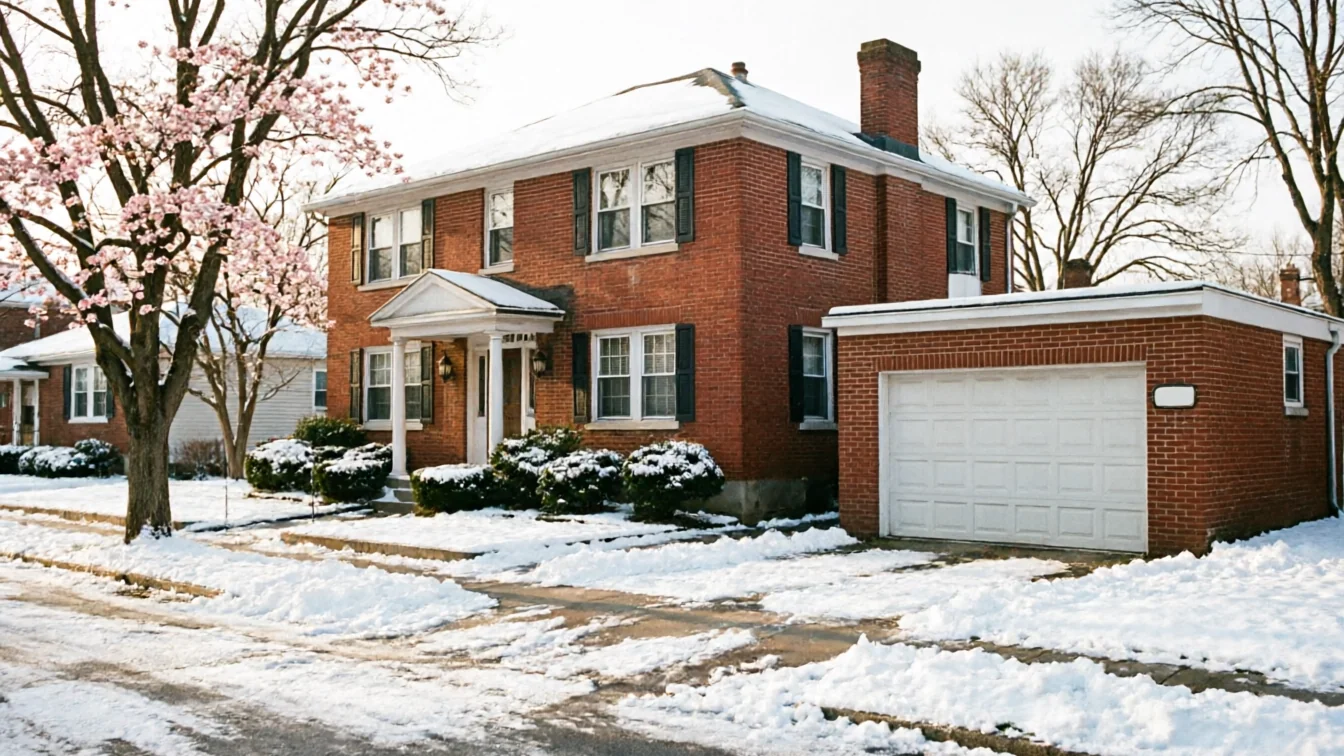
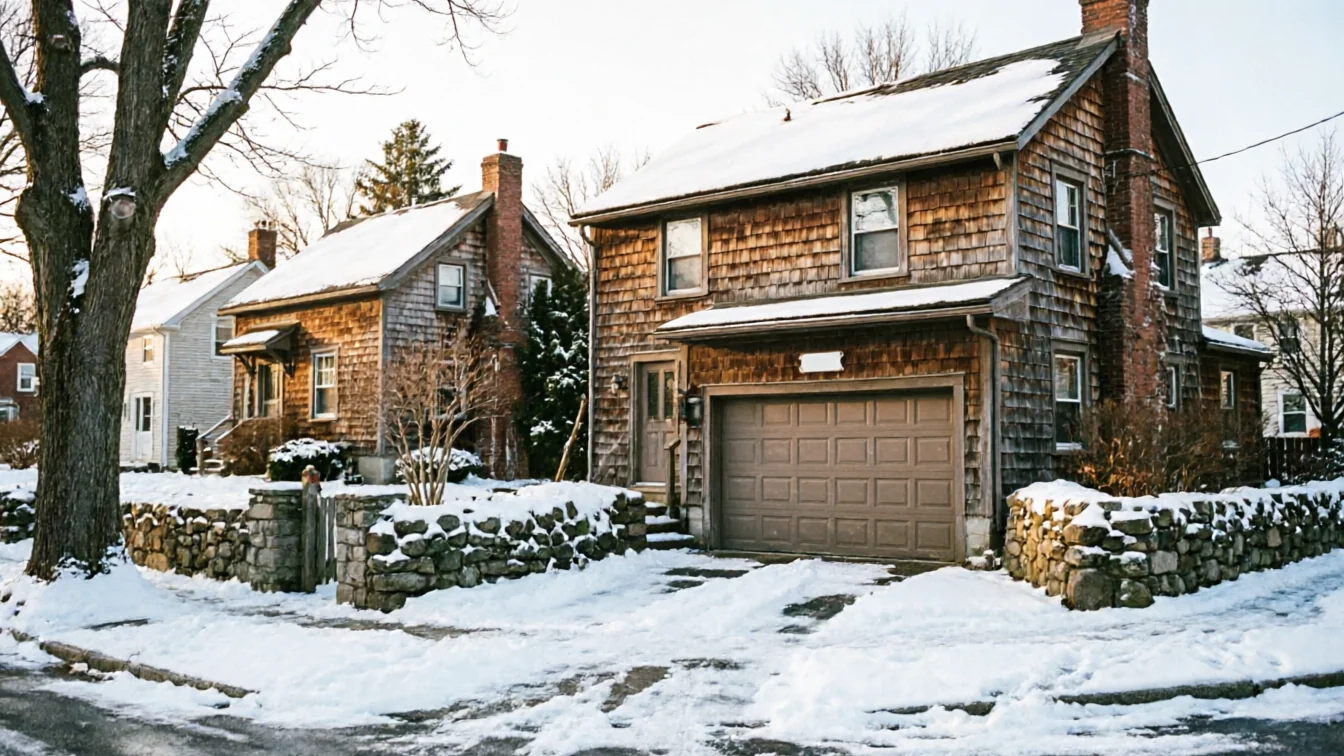
East York sits 3 miles from York with a median build year of 1962, a decade older than the wider service area. That age shows up first in snapped lift cables.
DIY or pro
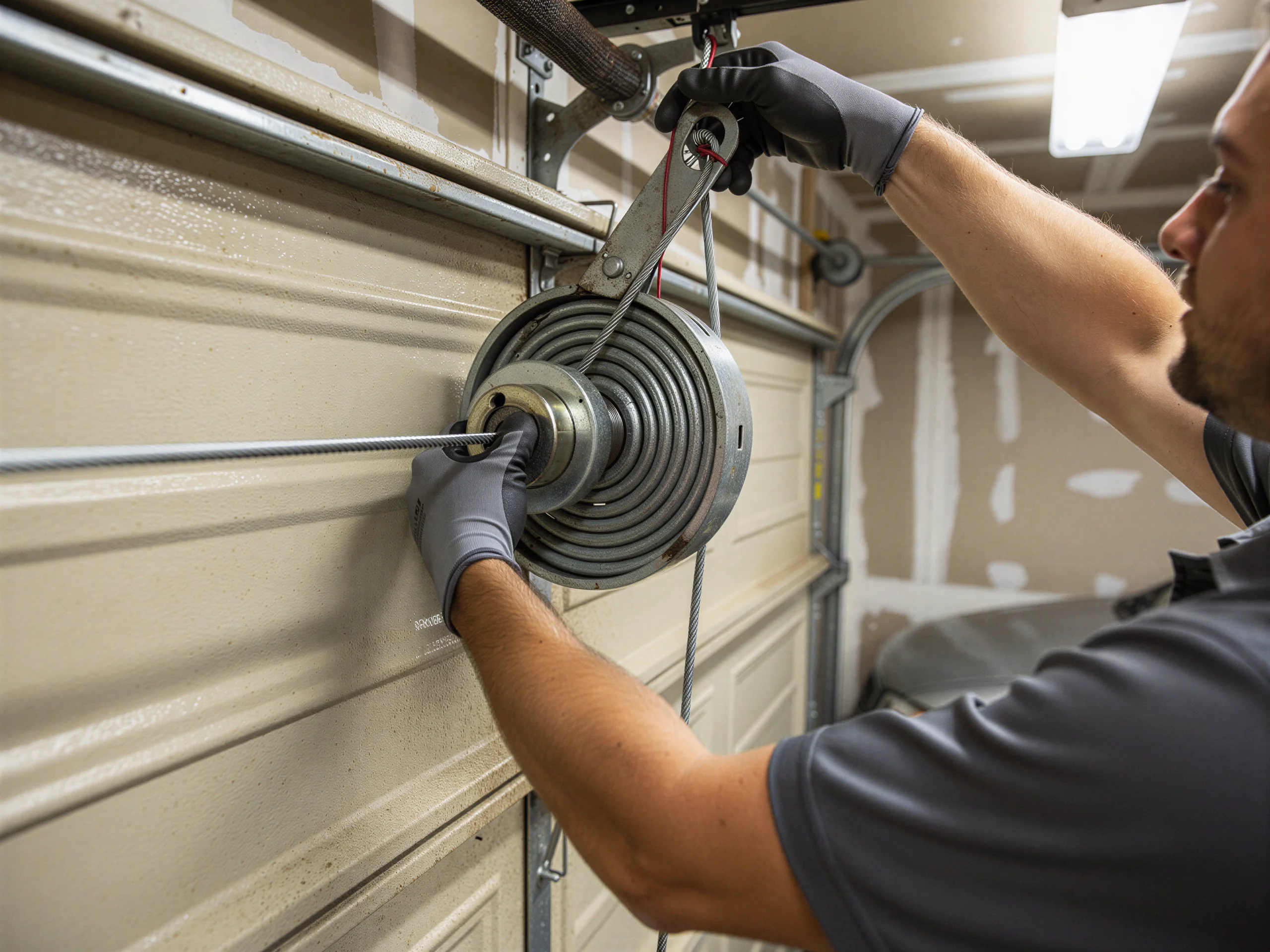
A broken lift cable is not a bolt-it-back-on job, and that's true whether the door is five years old or fifty. The drum the cable wraps around sits under spring tension, and East York's housing stock - median build year 1962, a decade ahead of the broader service area's 1972 - means a lot of these doors still run original or first-replacement hardware.
That hardware was not built with safety cables or modern drum stops. If you unwind a cable off a loaded drum without knowing which way the spring is wound, you can take a hand or a finger with it.
We're not saying this to scare you off a wrench. We're saying it because the honest answer is: if the door won't budge, or one side of it is hanging lower than the other, stop and call rather than troubleshoot further.
That's the one limitation we'll put plainly on this page - cable work on a tensioned torsion or extension system is not a weekend project, and we'd rather tell you that now than patch a half-finished job later.
Watch-outs
Serving York, PA
The cable itself is rarely the whole story. On a house built around 1962, the cable usually frays or snaps because the drum it rides on has worn a groove, or the bottom bracket it anchors to has rusted thin. Swap the cable alone and the new one wears into the same bad groove in a season. We see this more in East York's older stock than in newer builds farther out past Spring Grove or York Haven, simply because the hardware has had sixty years to work loose, rust, or get repainted over without anyone checking the drum edge for wear.
Local causes
This area sits in a cold, severe climate band, and that matters for cable life specifically. Cold metal contracts, and a cable that's already frayed from age snaps cleaner and faster on a 20-degree morning than it would on a mild one. Combine that with 1960s-era extension-spring systems - common across the 58 named areas in this service territory - and you get a predictable pattern: cables that held fine through fall let go the first hard freeze. East York's median build year of 1962 puts most of its garages right in that window, which is also before galvanized, vinyl-coated cable became standard. Bare steel cable corrodes faster, and corroded strands are the ones that part under load instead of just fraying.
On the truck
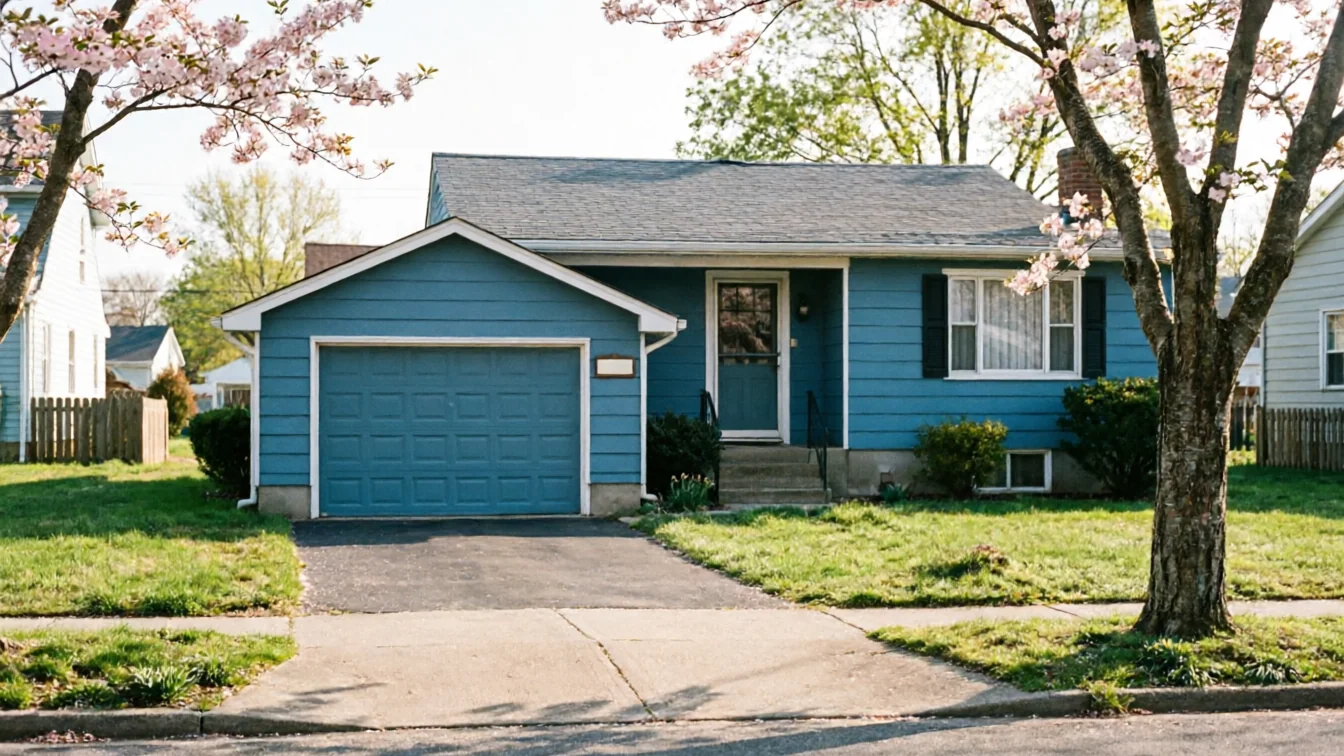
We carry cable in the lengths and gauges that match 1960s and '70s extension and torsion setups, because that's what most of the doors in this corner of the service area actually use.
We travel out from York - about 3 miles to reach East York - and we bring what the job usually calls for rather than guessing once we're on site.
Where we run into an older drum or bracket that's beyond stocking depth, that's a special-order part, and we'll say so up front rather than string the job out over two visits without warning you first.
Symptoms
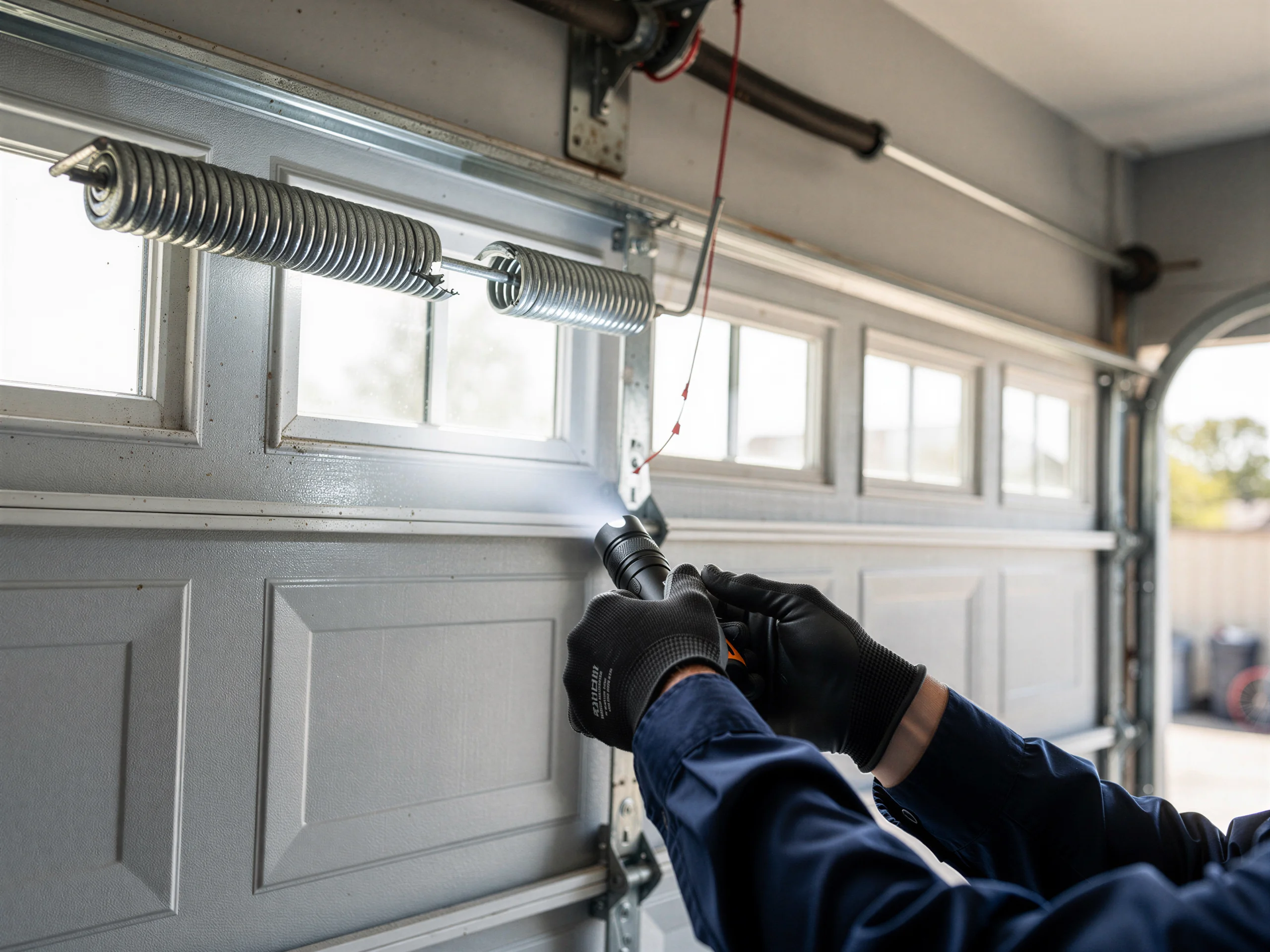
A snapped cable usually announces itself: the door drops hard on one corner, sits crooked in the track, or won't move at all when the opener tries. Sometimes it's quieter - a door that's started sagging slightly to one side over a few weeks, which is a cable stretching or a strand or two giving way before the rest follow. Either way, running the opener on a door with a bad cable puts load somewhere else in the system that isn't built to take it, usually the opposite-side bracket or the opener's drive gear.
Our process
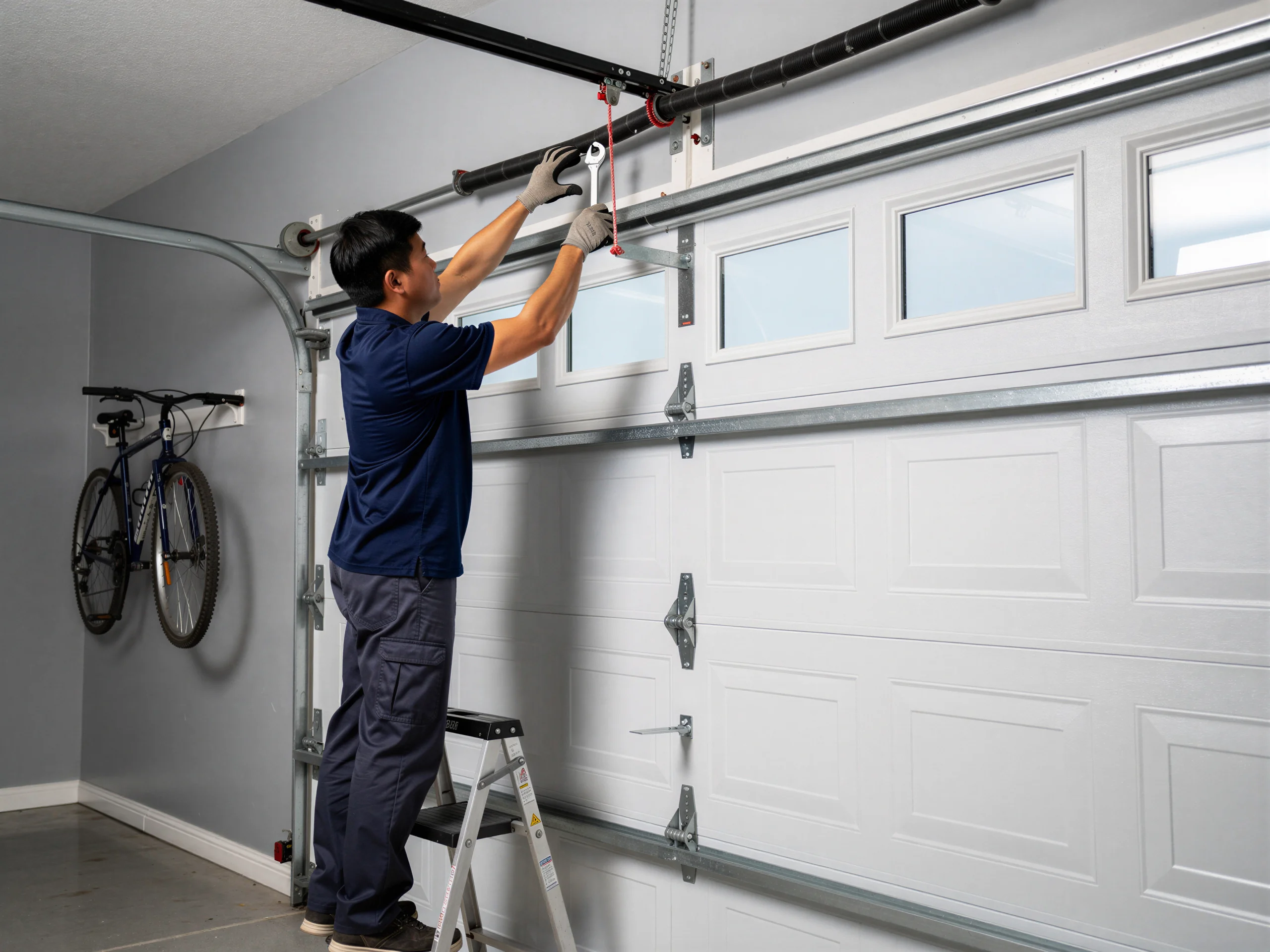
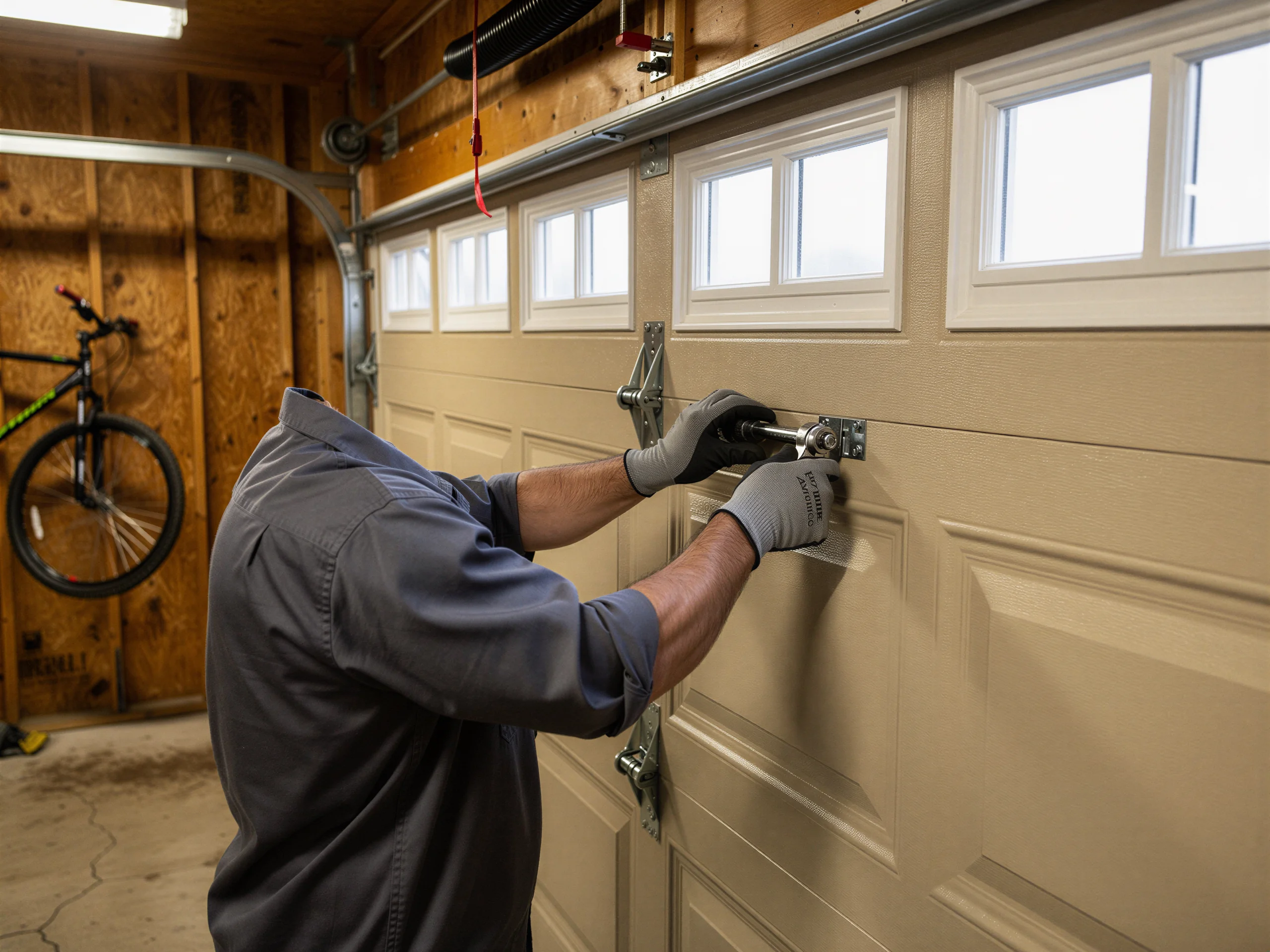
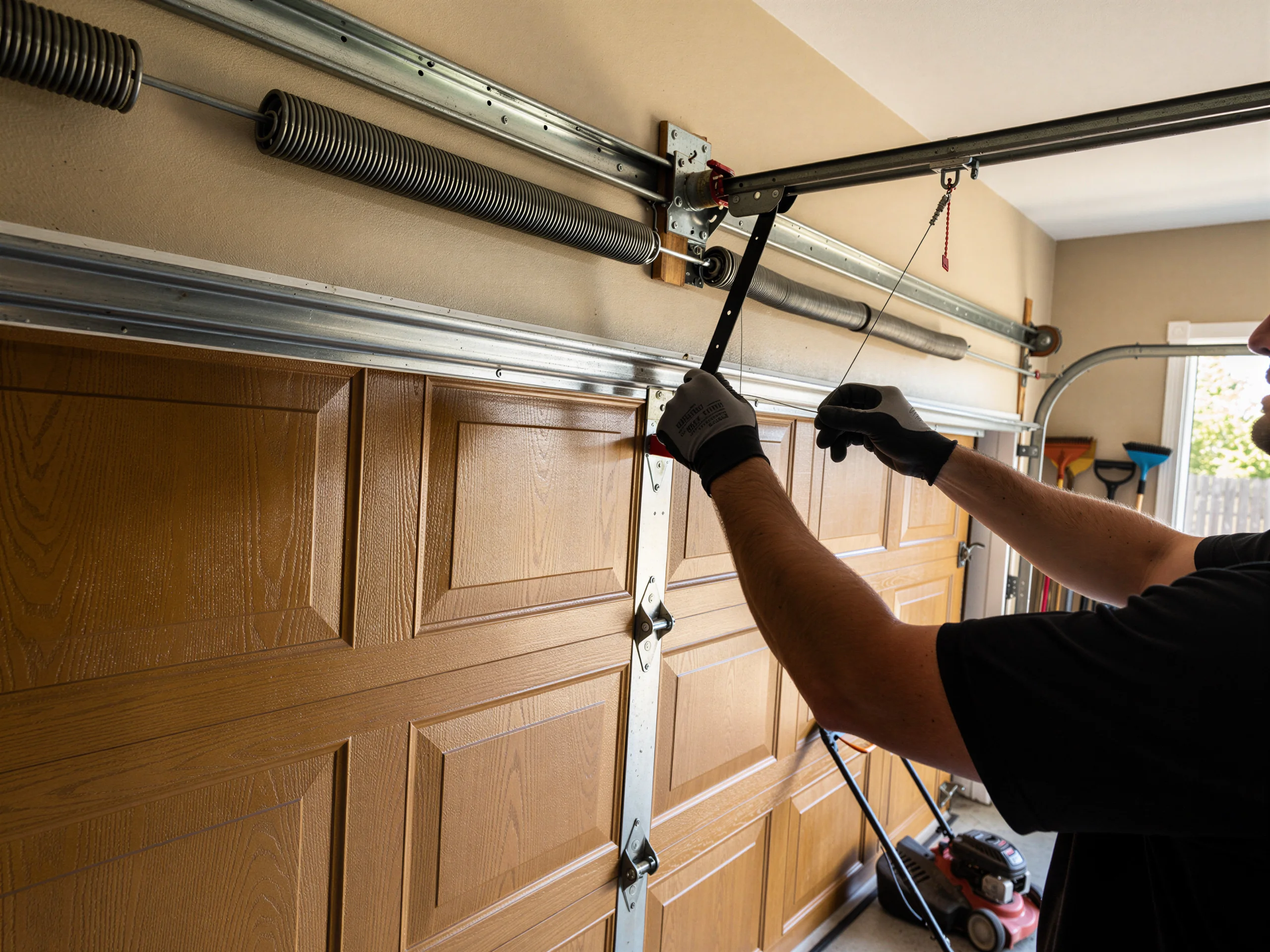
We release the spring tension, pull the old cable and drum assembly, check the bracket and the track for wear that caused the fray in the first place, and set new cable sized to the door's weight and spring type. On the older torsion setups common to East York's 1962-median housing, we also check the center bearing plate, since that's the other part that wears alongside the cable on a house this age. We balance the door before we leave - a cable job that leaves the door out of balance just shortens the life of the new cable.
Questions
East York's median home was built around 1962, about a decade earlier than the broader service area's 1972 median. Older extension and torsion hardware, often bare steel cable instead of coated, corrodes and frays faster, and cold-climate temperature swings make brittle cable snap rather than just stretch.
Sometimes, but on a house with original 1960s hardware the drum has often worn a groove that caused the cable to fray in the first place. We check the drum and bottom bracket before replacing cable alone, since skipping that check usually means a repeat failure within a season.
We stock cable gauges and lengths that match common 1960s-70s extension and torsion setups, since that's most of what's in this part of the service area. We travel from York, about 3 miles out, and bring stock parts for the job rather than ordering on arrival when possible.
Not always - a slow sag can also be a stretched spring or a loose bracket. But a door that drops hard on one side, or won't move when the opener runs, is almost always a snapped or badly frayed cable, and running the opener again on it risks damaging the opposite side of the system.
Explore more
Ready when you are
York Garage Door Pros repairs and installs garage doors, springs and openers in York, PA and the surrounding area.