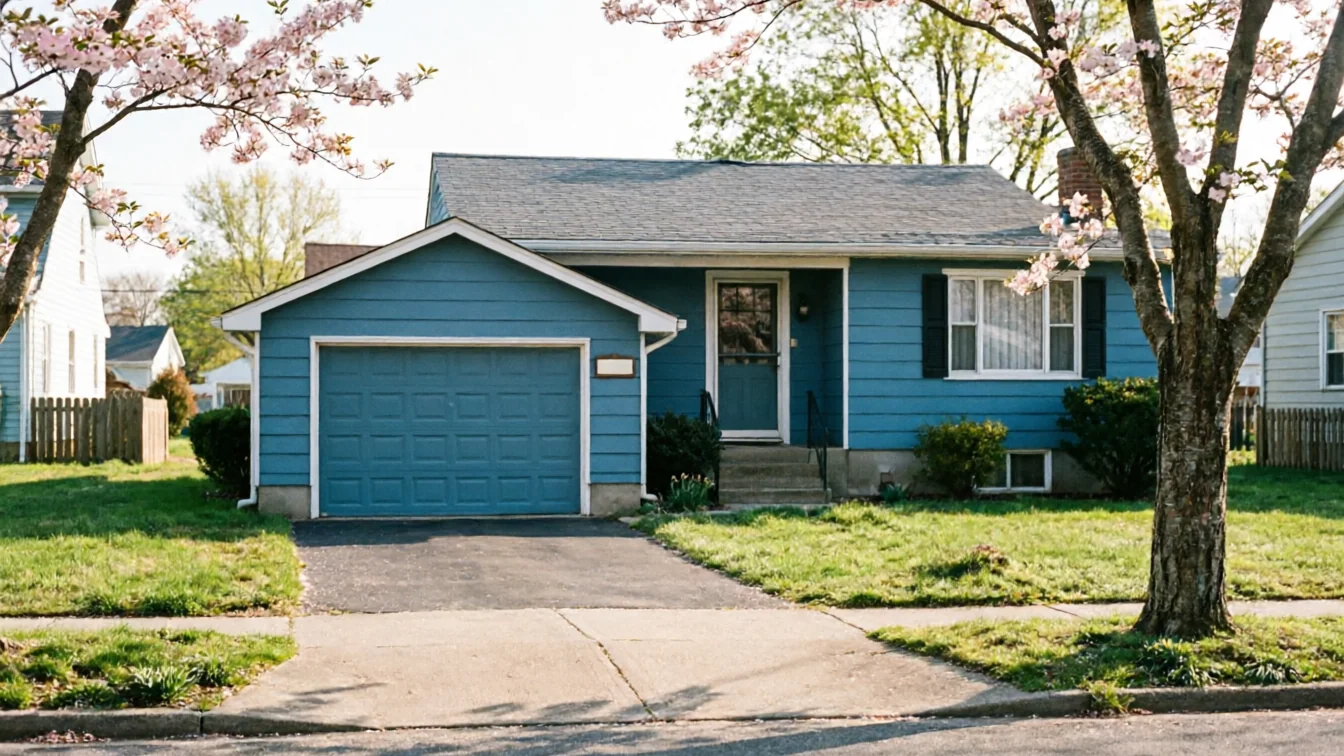
Weigelstown sits about 5 miles from our York shop, and that short drive matters because it's almost entirely flat, developed road the whole way - no detours, no guessing at a call window because of a long haul. That means when a spring lets go here, the job doesn't turn into a half-day wait.
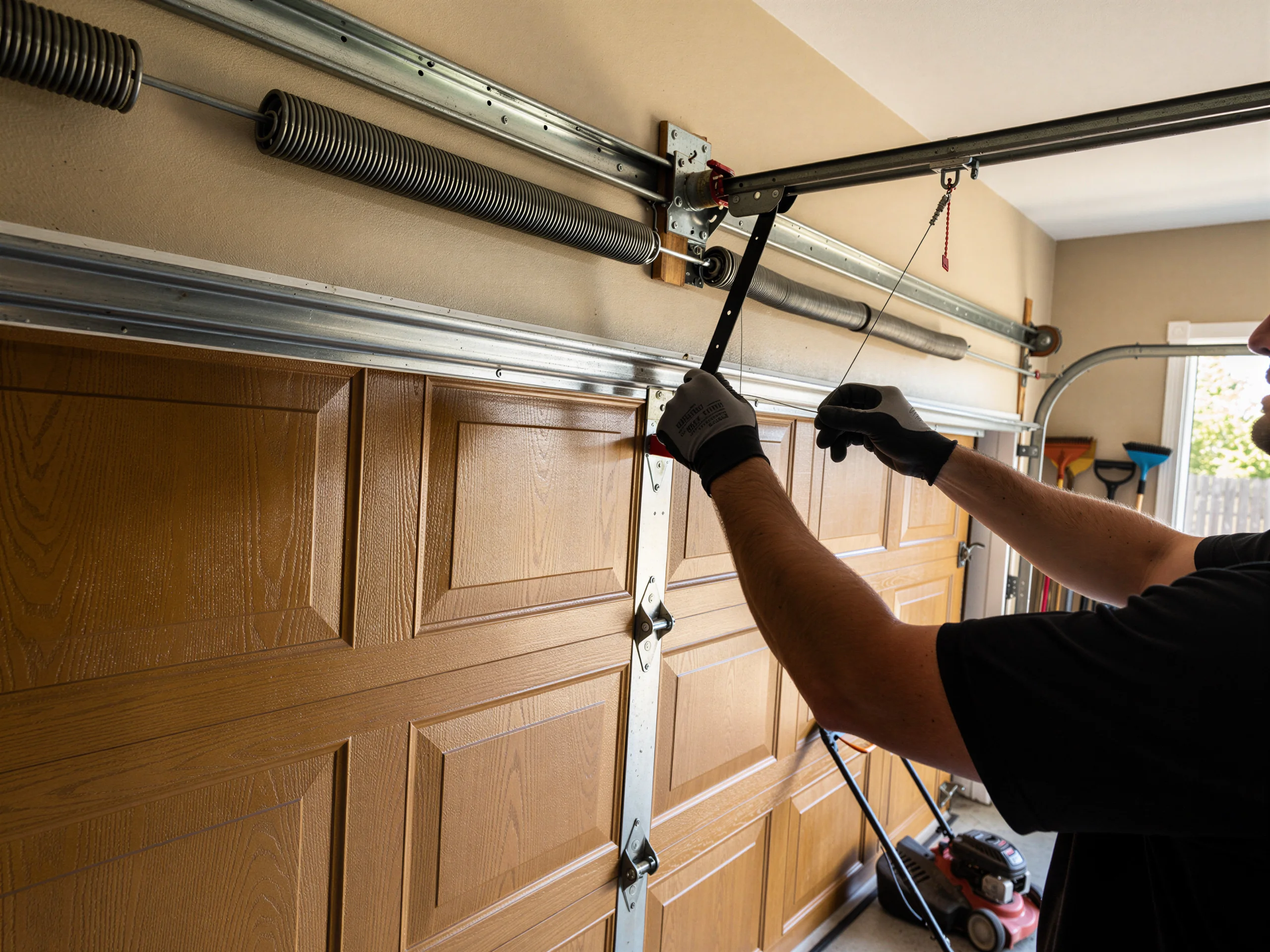
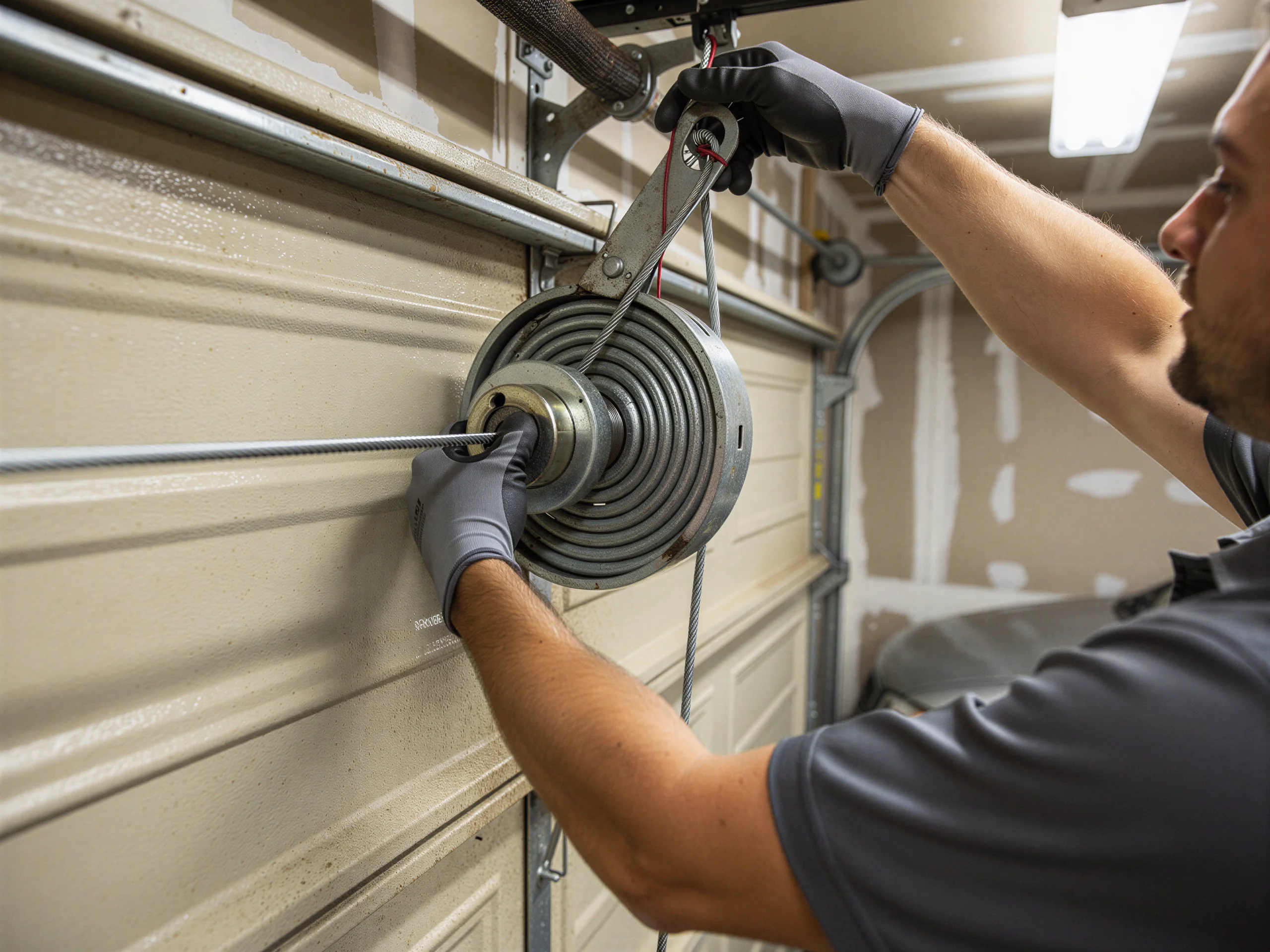
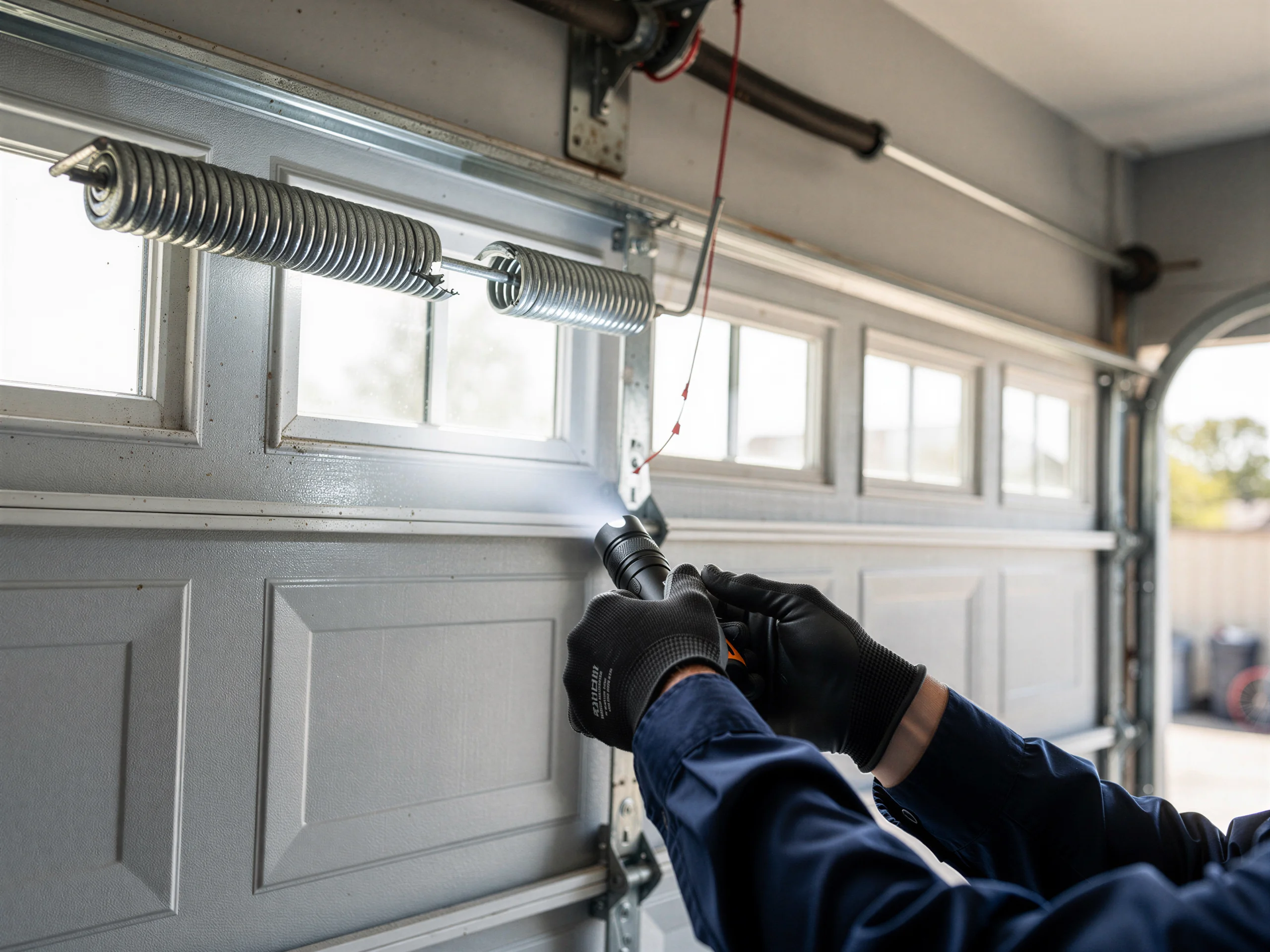
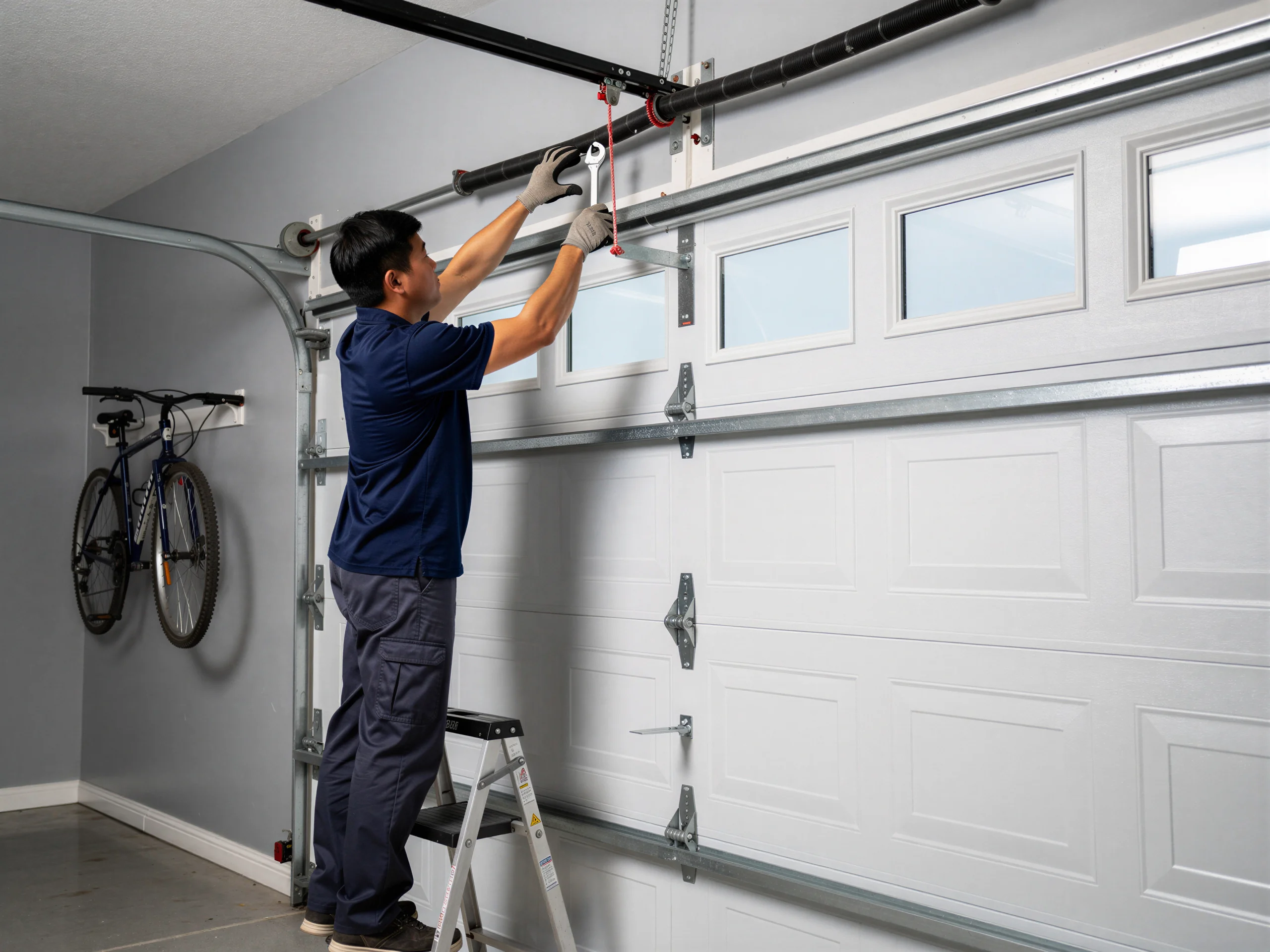
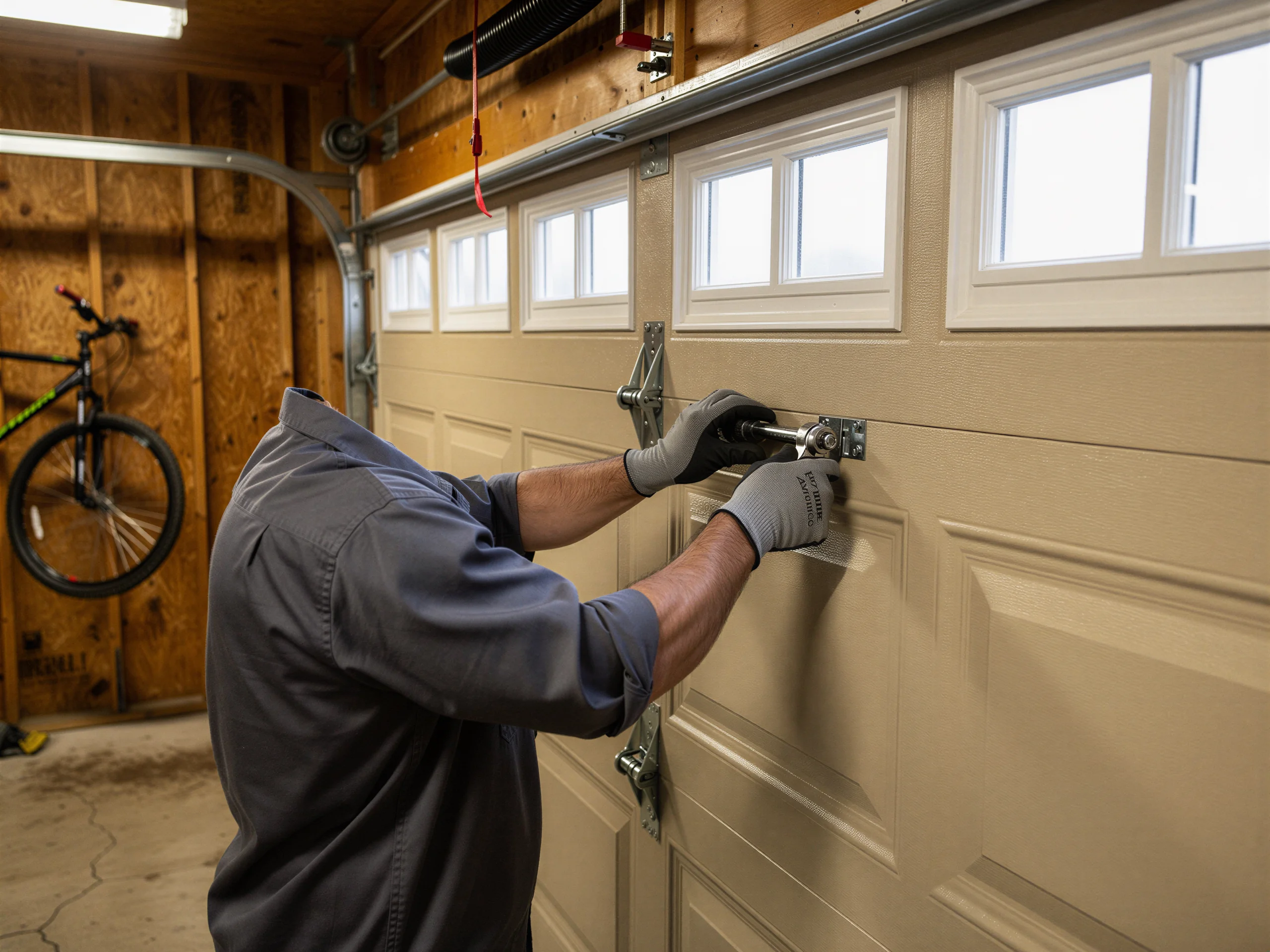
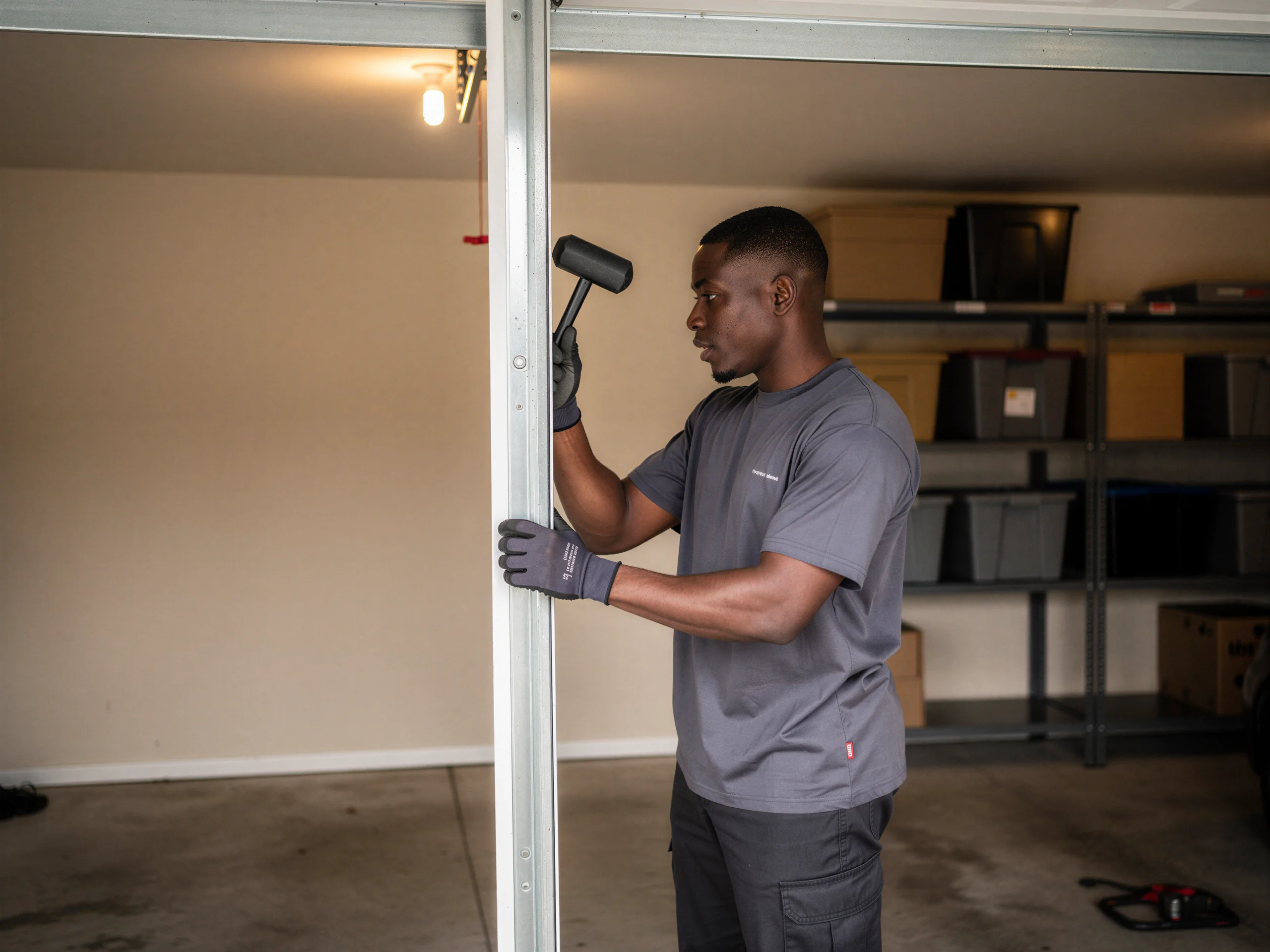
The houses themselves are a different story from a lot of what we see closer to York. Weigelstown's median year built runs around 1990, well past the broader service area's 1972 median and the 1938-1995 range that covers the older boroughs. That later build date usually means torsion springs sized for heavier insulated steel doors rather than the lighter single-layer doors common on pre-1970s stock. Those springs cycle differently - they're rated for more weight, wound tighter, and when they go, they tend to go loud and sudden rather than fraying slowly like older extension setups.
Cold is still cold here the same as anywhere in this part of Pennsylvania - the region sits in a severe cold climate band, and steel contracts in winter the same whether the house was built in 1950 or 1990. But on a 1990s door, the spring failure is almost always fatigue from cycle count, not rust from age. That's the difference worth knowing before you call.